Fan Motor Housing

Home / Products / Part Of Motor / Fan Motor Housing

Fan Motor Housing

Product Description

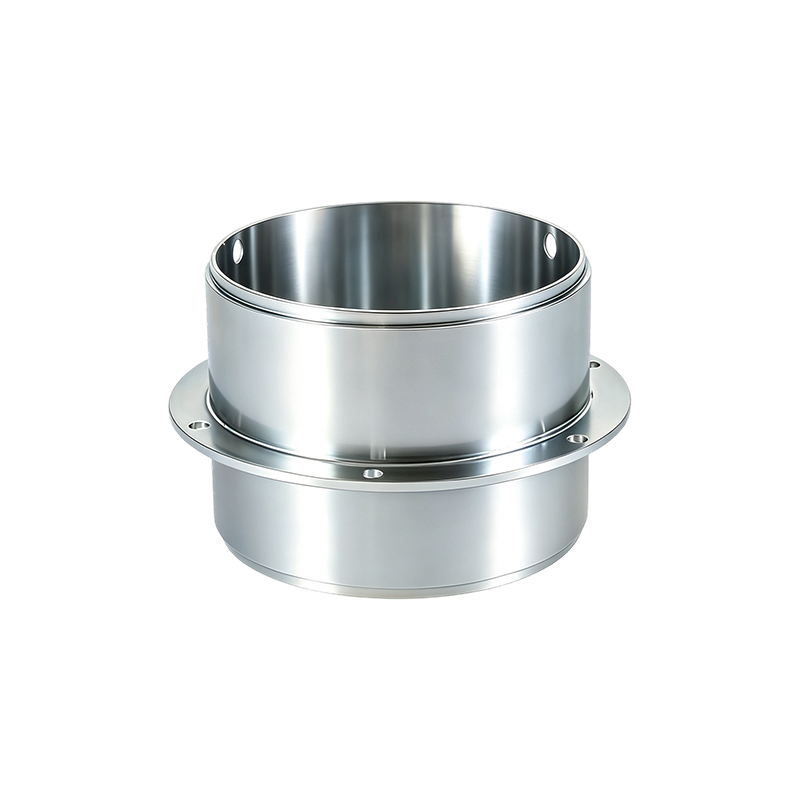
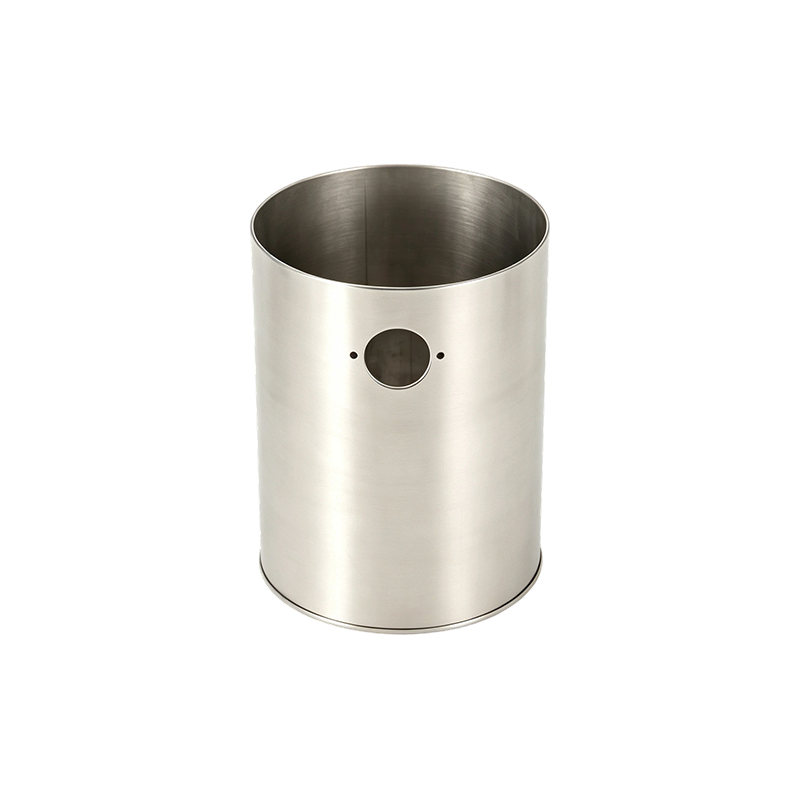
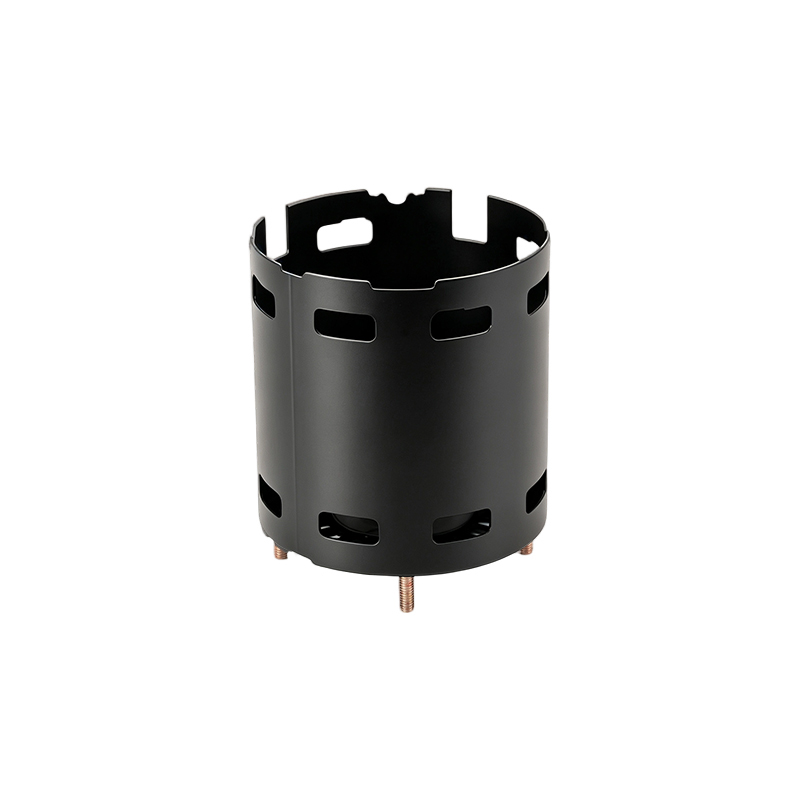
This fan motor housing features a precision-engineered structure with an inner diameter of 130mm, offering uniform wall thickness and precise dimensions, providing a stable and reliable protective space for the motor stator and rotor assemblies.
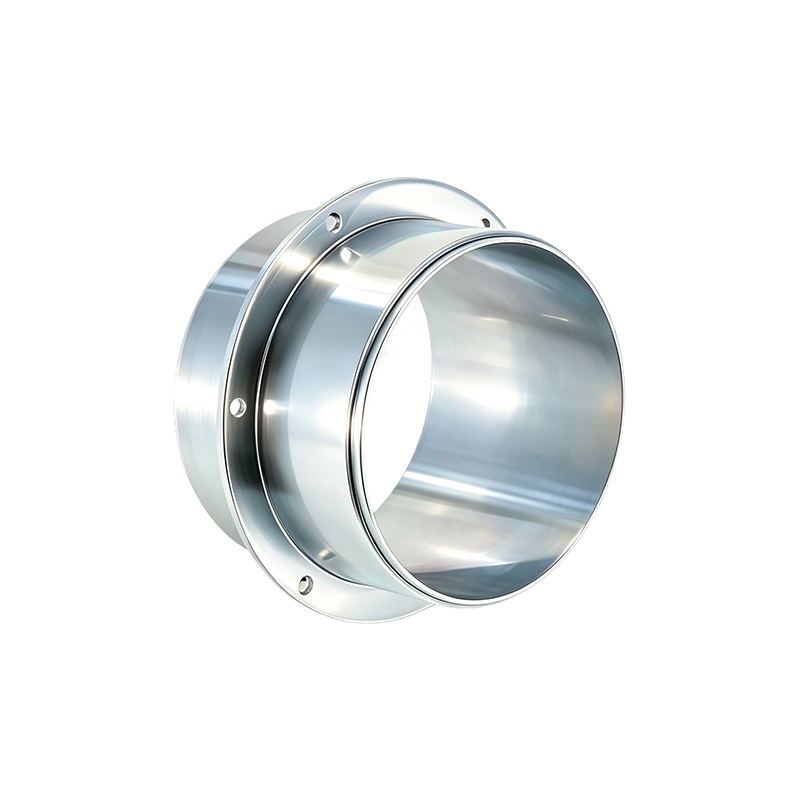
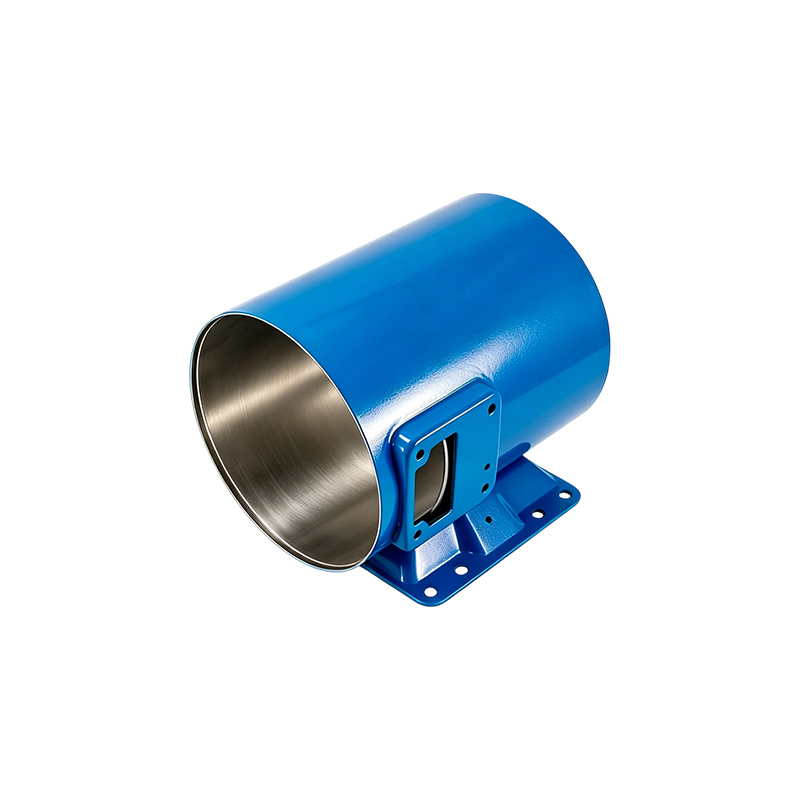
 A dedicated flange plate is welded onto the housing using high-standard welding technology, with uniform and firm welds and strong bonding force, ensuring that the flange plate and housing are integrated as one unit, capable of withstanding continuous vibration and torsional loads generated during fan startup, operation, and speed regulation. 
The flange plate design facilitates precise positioning and secure connection with the fan volute or mounting bracket, simplifying the overall assembly process, improving installation efficiency and coaxiality accuracy.
Product Parameters
Get in touch
Who We Are

Your Reliable Motor Housing Manufacturing Partner

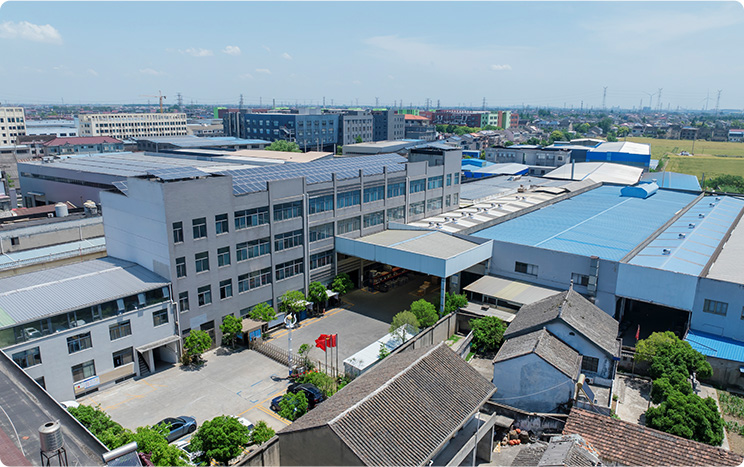
Jiangsu Yufeng Electric Co., Ltd. specializes in motor housing manufacturing, integrating stamping, welding assembly, machining, and surface treatment into one production system. With 30 years of industry focus and full-process production capabilities, we provide reliable solutions for household, industrial, and new energy applications.

Jiangsu Yufeng Electric Co., Ltd. specializes in motor housing manufacturing, integrating stamping, welding assembly, machining, and surface treatment into one production system. With 30 years of industry focus and full-process production capabilities, we provide reliable solutions for household, industrial, and new energy applications. 

  • 40+

    Years of Experience

  • 50+

    Countries of Operation

  • ISO 9001

    Quality System

Learn More
Jiangsu Yufeng Electric Co., Ltd.
What’s News

Latest Updates

View More
  • 2026-07-16

    Application of New Die-Casting Processes to Enhance the Overall Performance of Motor Housings

    With ongoing optimizations in die-casting processes, these techniques are now widely used in the production of motor housings. The new process results in a more compact overall structure, significantly improves the surface flatness and one-piece molding quality of the housing, and optimizes the design of the internal heat dissipation channels. Field tests have shown that these motor housings offer improved heat dissipation efficiency and structural stability under normal operating conditions, making them better suited for the assembly and long-term operation of small and medium-sized power motors. They are currently being gradually adopted in the manufacturing of general-purpose electromechanical equipment.

  • 2026-07-16

    Upgraded Motor Housing Protection Rating for Complex Operating Environments

    To meet the demands of outdoor, industrial, and humid environments, the motor housing has undergone a new round of upgrades in sealing and protection design. By optimizing the splicing structure and adding sealing accessories, the product effectively enhances dustproof and waterproof capabilities, making it suitable for dusty, high-humidity, and light-splash environments. Additionally, the housing is made of impact-resistant material, enhancing its resistance to vibration and impact. This further expands the application scenarios for motor-related products and meets the assembly requirements of sectors such as construction machinery and outdoor conveying equipment.

  • 2026-07-16

    Lightweight Materials Become a Trend, Balancing Strength and User Experience

    Lightweight design has become a development trend in the electromechanical accessories industry. New alloy materials are now being used for motor housings. While maintaining overall mechanical strength and compression resistance, the product’s weight has been reasonably reduced. This facilitates handling and assembly during production and reduces the load on the entire machine, contributing to energy-efficient operation. Currently, lightweight motor housings are gradually becoming widespread in applications such as home appliances, small automation equipment, and automotive motors.

Part Of Motor Industry knowledge