

 English
 Español
Content
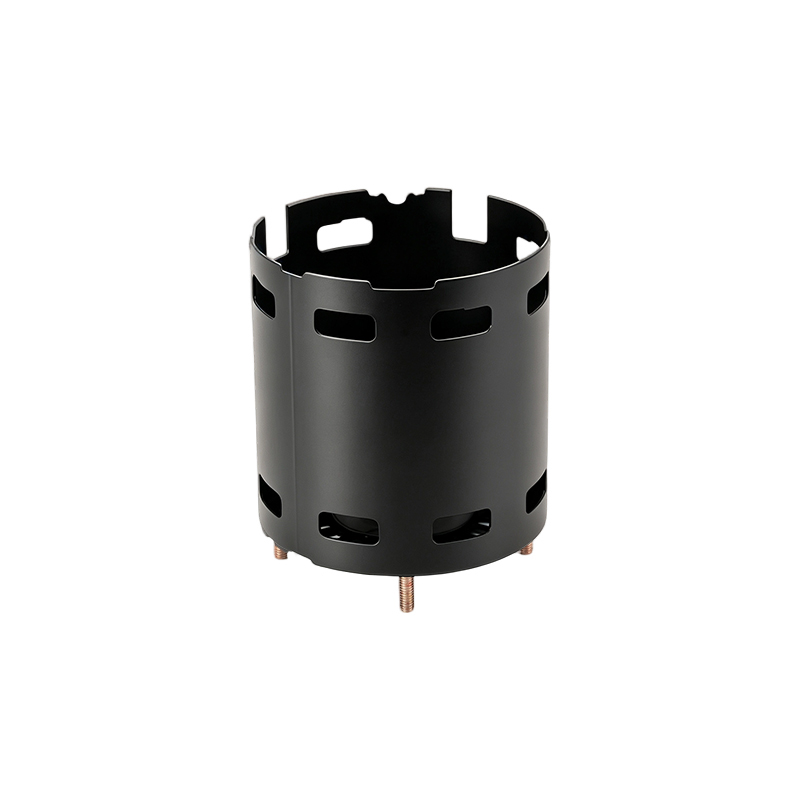
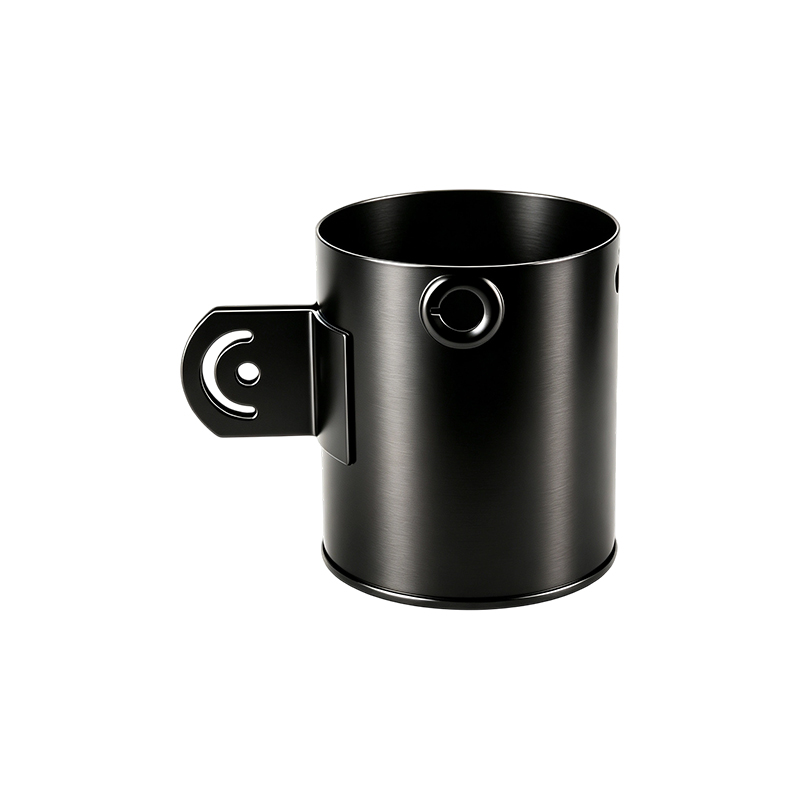
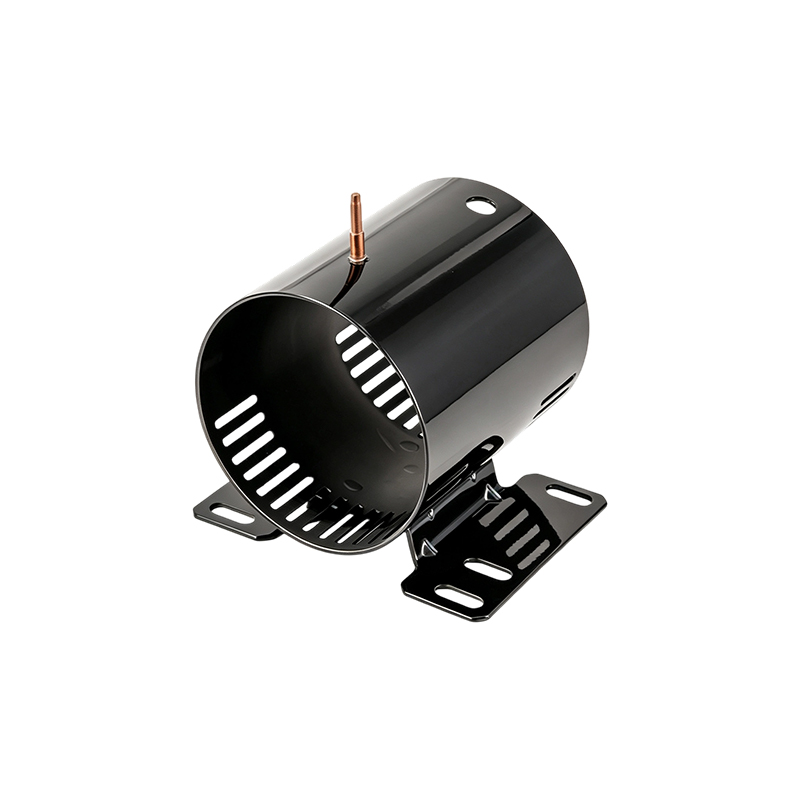
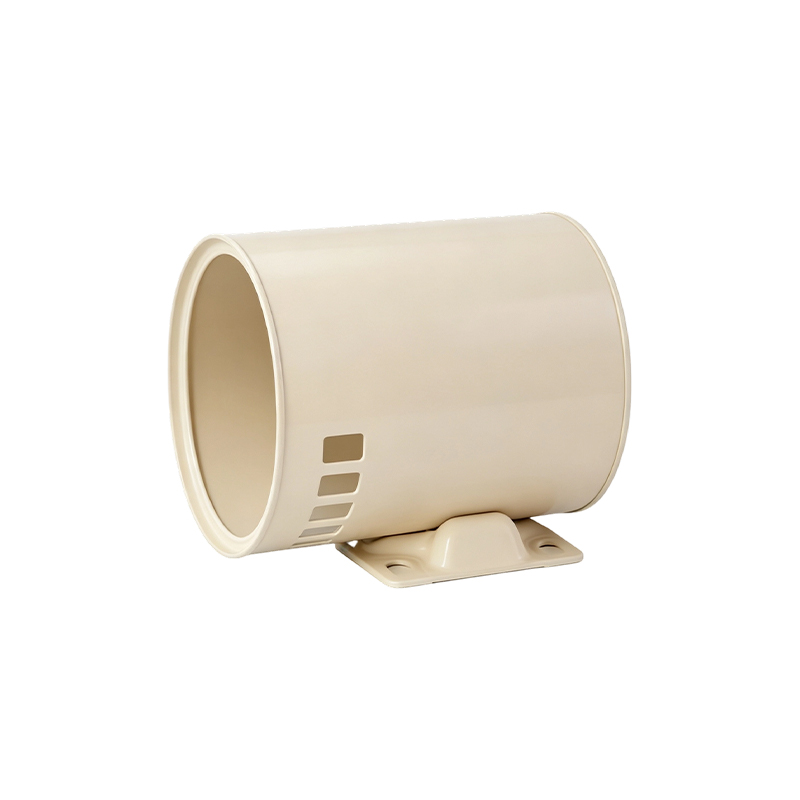
A steel motor housing is the structural shell that keeps an electric motor's stator, rotor, and bearings aligned under load, vibration, and heat. For B2B buyers specifying motors for machinery, pumps, or vehicles, the housing choice directly affects service life, downtime, and total cost of ownership.
What a Steel Motor Housing Actually Does
A steel motor housing is the outer structural component that surrounds a motor's stator, rotor, and bearing system, keeping every internal part aligned while resisting mechanical load, vibration, and heat. It is machined or formed from carbon steel, alloy steel, or stainless steel depending on the operating environment.
During operation, the housing carries three jobs at once: it locks the stator and bearing bores into fixed positions, it channels heat away from the windings through its outer surface, and it shields internal components from dust, moisture, and impact. Motors that lose housing rigidity under vibration commonly show bearing wear within a fraction of their rated service life, which is why dimensional stability is treated as a core spec rather than a cosmetic one.
Why Industrial Buyers Specify Steel Over Alternatives
Steel remains the default choice wherever structural rigidity and impact resistance outweigh the priority of shaving grams from a motor assembly. A well-specified steel motor housing holds its dimensional relationships under continuous vibration far longer than lighter alternatives, which matters most in equipment that runs unattended for long shifts.
- 1
Mechanical strength. Steel resists deformation under repeated mechanical loading, keeping stator and bearing bores in their designed position.
- 2
Vibration stability. A rigid steel shell minimizes the micro-movement that accelerates bearing wear in high-cycle equipment.
- 3
Cost efficiency at scale. Machinability and repeatable CNC processing keep per-unit cost predictable across large production runs.
- 4
Environmental resistance. With the correct surface treatment, steel housings withstand moisture, dust, and temperature swings in outdoor or industrial settings.
Steel vs. Aluminum Motor Housing: Side-by-Side
The material decision usually comes down to one trade-off: structural rigidity versus weight. The table below summarizes where each material wins.
| Structural rigidity | High — resists deformation under load | Moderate — lighter but less rigid |
| Vibration resistance | Excellent for high-cycle equipment | Good, better suited to lighter duty |
| Thermal conductivity | Lower than aluminum | Higher — dissipates heat faster |
| Weight | Heavier per unit volume | Roughly one-third the weight of steel |
| Best fit | Heavy-duty, industrial, high-vibration use | Weight-sensitive or mobile applications |
A steel motor housing is the right call whenever mechanical loading, vibration, or impact resistance outweighs the benefit of shaving weight from the assembly.
How Steel Motor Housings Are Manufactured
Consistent quality across thousands of units depends on process control at every stage, not just the final inspection.
Material Selection
Steel grade, thickness, and certification are matched to the motor's mechanical and thermal requirements before any cutting begins.
Forming & Machining
Blanks are cut, formed or forged, then CNC-machined for bores, mounting faces, and bearing seats.
Precision Finishing
Drilling, tapping, turning, and deburring bring critical interfaces to final tolerance.
Surface Treatment
Coating or plating is applied for corrosion resistance suited to the target environment.
Inspection & QC
Dimensional checks, concentricity verification, and material traceability confirm the batch meets specification.
How to Choose the Right Steel Motor Housing
Selecting the right housing starts with the operating environment, not the catalog page. Match these factors before requesting quotes:
- Motor power, speed, and load conditions the housing must support
- Vibration level and duty cycle of the target equipment
- Ambient temperature range and moisture or dust exposure
- Required wall thickness, bore tolerance, and mounting configuration
- Surface treatment suited to indoor versus outdoor operation
Supplier capability matters as much as the drawing itself. A dependable steel motor housing manufacturer should demonstrate CNC machining accuracy, batch-to-batch consistency, and engineering support for custom mounting or tolerance requirements.
Frequently Asked Questions
What steel grade is best for a motor housing?
The right grade depends on the load and environment: carbon steel suits general industrial duty, while stainless or coated alloy steel is preferred where corrosion resistance is critical.
Is a steel motor housing heavier than aluminum?
Yes, steel is denser than aluminum, but it offers greater rigidity and vibration resistance, which is why it remains standard for heavy-duty industrial motors.
What tolerance should bearing bores hold?
Precision applications commonly require concentricity tolerances in the hundredths-of-a-millimeter range to prevent premature bearing wear.
Can steel motor housings be customized?
Yes, dimensions, wall thickness, mounting layout, and surface treatment can all be adapted to a specific motor design through CNC machining and engineering review.
 Previous