

 English
 Español
Content
A stainless motor housing is what separates a motor that survives daily washdown, salt air, or chemical exposure from one that corrodes within months. For buyers specifying equipment in food, pharma, marine, or water treatment settings, the housing material is rarely optional — it is the deciding spec.
The stainless grade most commonly specified when equipment faces chlorides, saltwater, or aggressive cleaning chemicals — offering meaningfully better resistance than standard 304 in those conditions.
Defining the Stainless Motor Housing
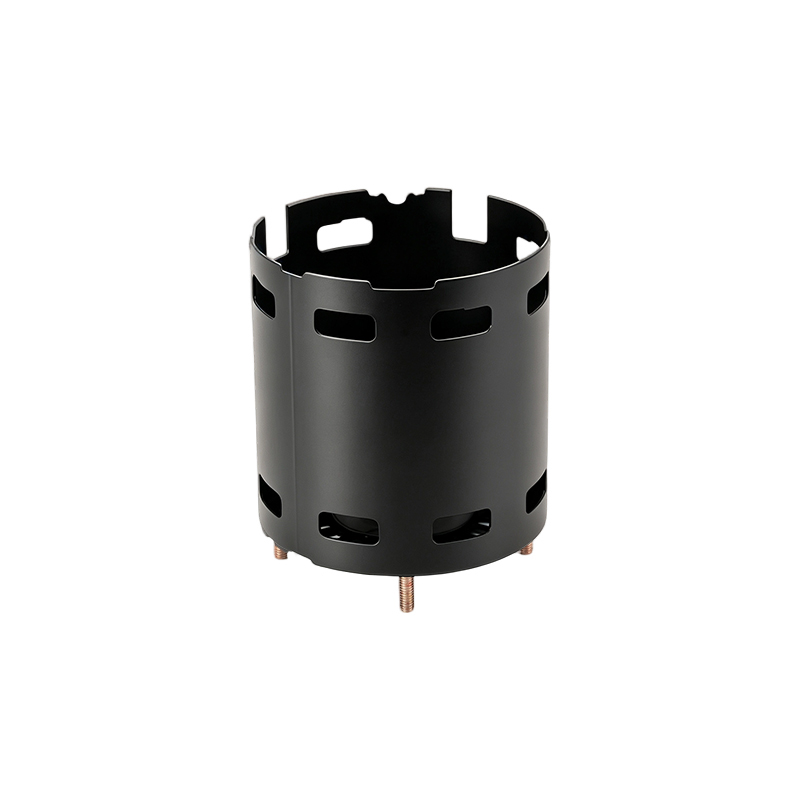
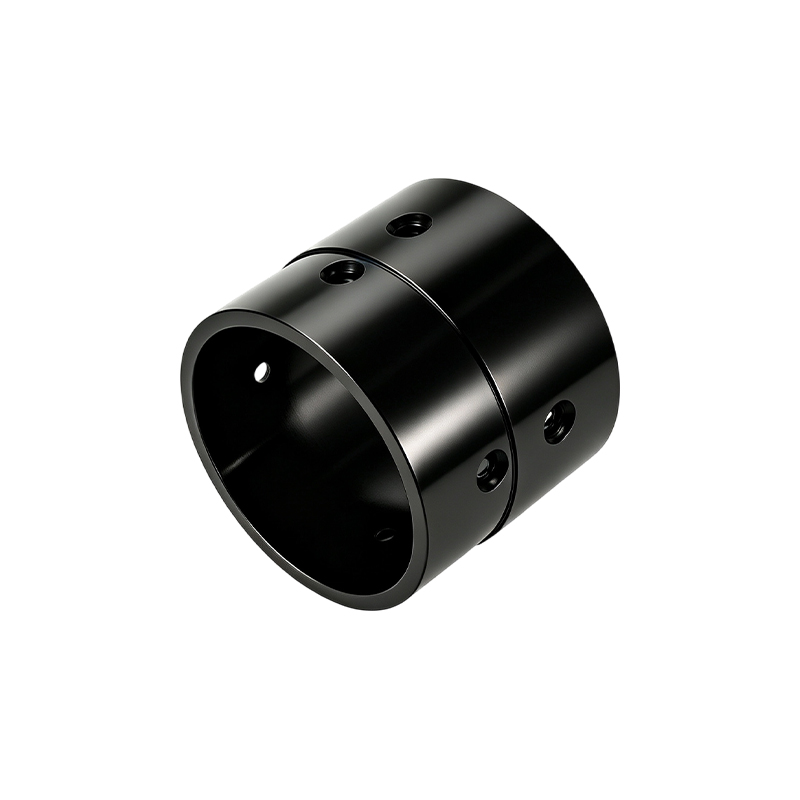
A stainless motor housing is the outer structural shell of an electric motor, machined from stainless steel to protect the stator, rotor, and bearings while resisting corrosion, moisture, and chemical attack. Unlike a coated carbon steel housing, its resistance is built into the material itself rather than applied as a surface layer.
The corrosion resistance of a stainless housing comes from the material's chromium oxide layer, not from paint or plating — which means it does not wear off, chip, or need reapplication.
That distinction matters most in equipment that gets washed down daily, submerged intermittently, or exposed to airborne salt. Where a coated steel housing degrades from the first scratch or chip, a stainless housing keeps its resistance across the full depth of the material.
Where Stainless Housings Earn Their Cost Premium
Stainless steel costs more per kilogram than carbon steel, so the premium only pays off where the environment demands it. These are the conditions where that trade consistently favors stainless.
- Wet and humid operation. Water treatment, marine, and outdoor equipment avoid the rust-driven maintenance cycle carbon steel requires.
- Hygiene-critical production. Food, beverage, and pharmaceutical lines need a smooth, cleanable surface that tolerates frequent sanitation without degrading.
- Chemical exposure. Processing equipment exposed to cleaning agents or process chemicals benefits from stainless steel's resistance to a broad range of substances.
- Long unattended service. Equipment that is expensive or difficult to access for maintenance benefits from a housing that will not corrode between service intervals.
Stainless vs. Carbon Steel: A Direct Comparison
Choosing between the two materials comes down to matching the housing's resistance profile to the actual operating environment, not defaulting to whichever is cheaper.
Stainless Motor Housing
- Corrosion resistance built into the material
- Performs well in wet, humid, or chemical settings
- Cleanable, hygienic surface finish
- Low corrosion-related maintenance over time
- Higher upfront material cost
Carbon Steel Motor Housing
- Corrosion resistance depends on coating quality
- Best suited to dry, general industrial settings
- Requires recoating if surface is damaged
- Lower material cost per unit
- Widely available for high-volume production
Where Stainless Motor Housings Are Used
Six industries account for most stainless motor housing demand, each driven by a different form of environmental exposure.
- Food and beverage processing — conveyors, mixers, filling and packaging equipment
- Chemical processing — pumps and mixers exposed to process chemicals
- Water treatment — pumps, blowers, and mixers in constant humidity
- Pharmaceutical manufacturing — equipment requiring strict cleanability
- Marine and coastal equipment — motors exposed to salt air and spray
- Medical and laboratory equipment — pumps and automated systems needing hygienic surfaces
How Stainless Motor Housings Are Manufactured
Production begins with grade selection — typically 304 for general-purpose corrosion resistance or 316 where chlorides and harsher chemicals are present — followed by cutting, forming, and CNC machining of bores, mounting faces, and bearing seats. Deburring, surface finishing, and cleaning follow, with dimensional inspection, concentricity checks, and material certification confirming the batch meets specification before final assembly preparation.
Choosing the Right Stainless Motor Housing
Start with the environment, not the catalog: humidity level, water or chemical exposure, cleaning frequency, and temperature range all determine whether stainless is necessary and which grade fits. From there, confirm wall thickness, bore tolerances, mounting dimensions, and surface finish against the motor's technical drawing before approving production.
Supplier capability closes the loop. A dependable stainless motor housing manufacturer should show CNC machining precision, documented stainless steel processing experience, and the inspection equipment to prove batch-to-batch consistency on repeat orders.
Frequently Asked Questions
Is 304 or 316 stainless better for a motor housing?
304 suits general indoor or dry-industrial use, while 316 is preferred where chlorides, saltwater, or aggressive chemicals are present, since it resists pitting corrosion more effectively.
Do stainless motor housings need surface coating?
No, the corrosion resistance comes from the alloy itself, so stainless housings do not require paint or plating to resist rust.
Are stainless motor housings heavier than carbon steel ones?
Density is similar between the two materials, so weight differences come mainly from wall thickness and design rather than the base material choice.
Can a stainless motor housing be custom machined?
Yes, dimensions, mounting layout, wall thickness, and surface finish can all be adapted to a specific motor design through CNC machining and engineering review.
 Previous