

 English
 Español
Content
A heavy-wall steel motor housing exists for one reason: standard-wall enclosures deform under sustained mechanical load, and deformation destroys bearing alignment long before the motor itself fails. Where equipment runs under continuous vibration, impact, or heavy torque, added wall thickness is what keeps the housing geometry intact.
What Makes a Housing "Heavy-Wall"
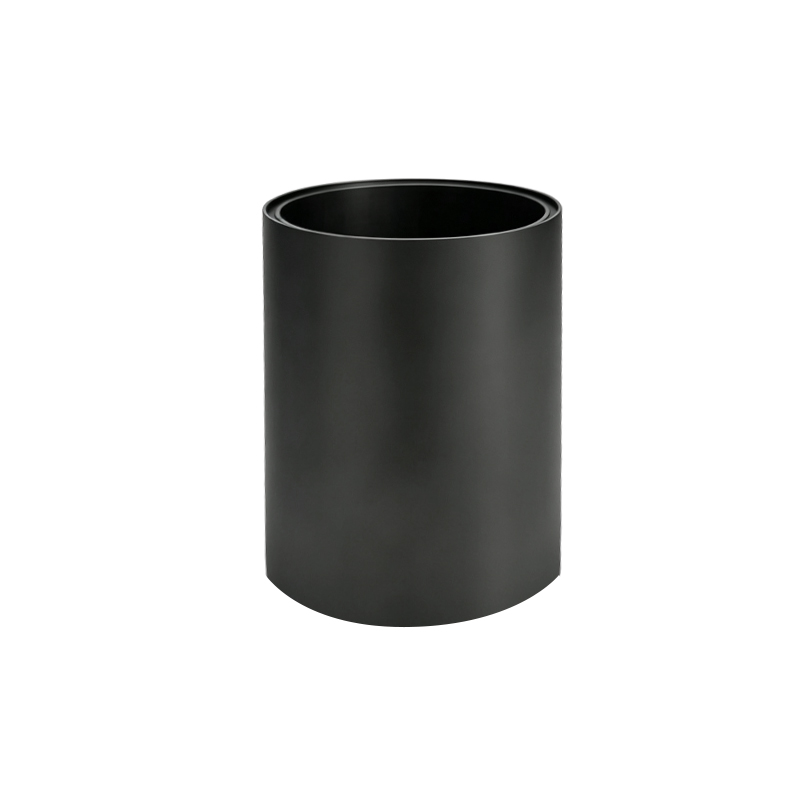
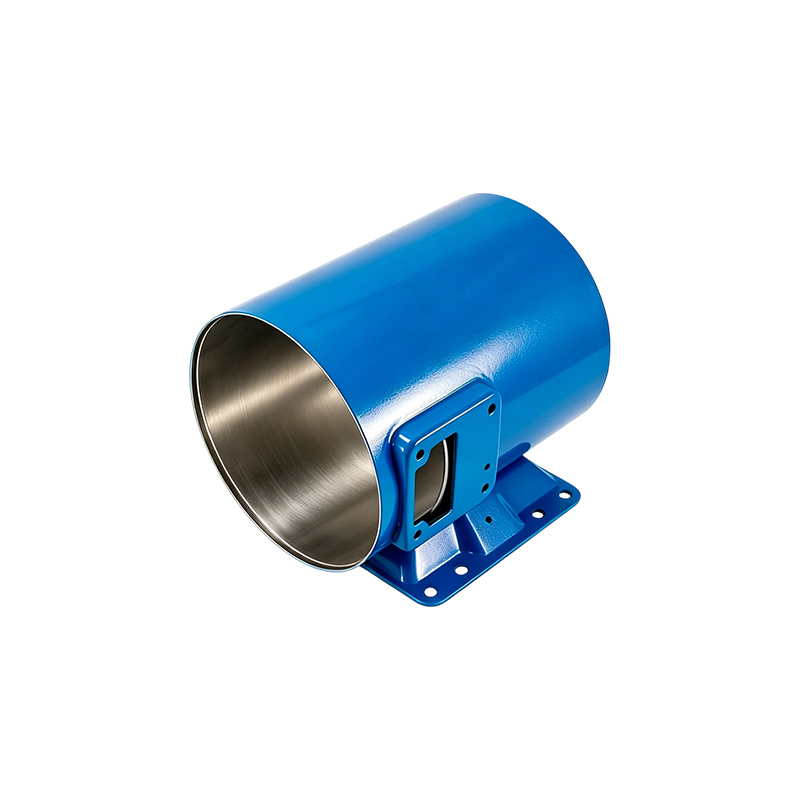
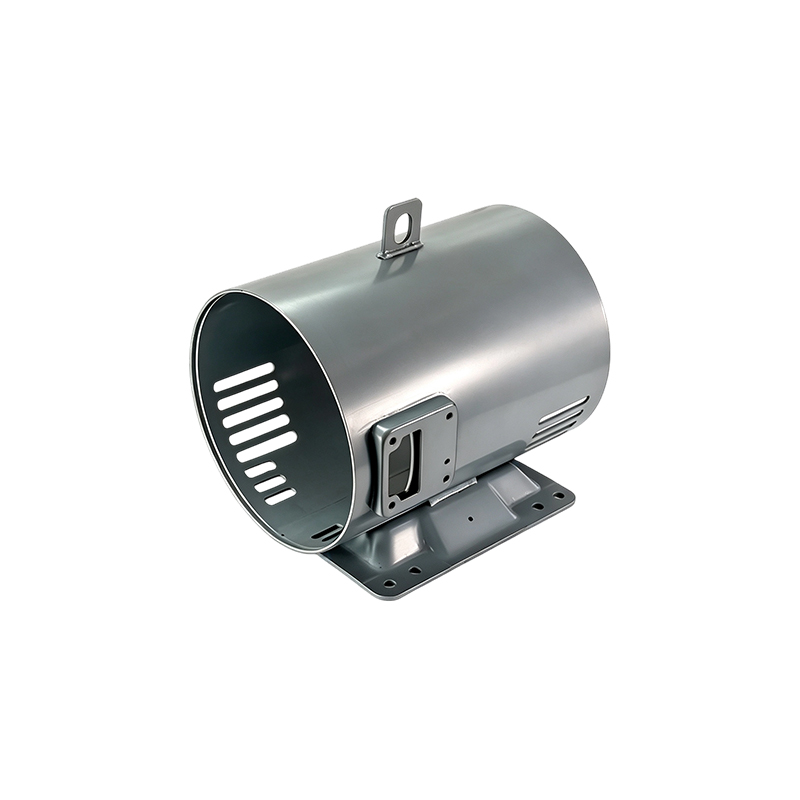
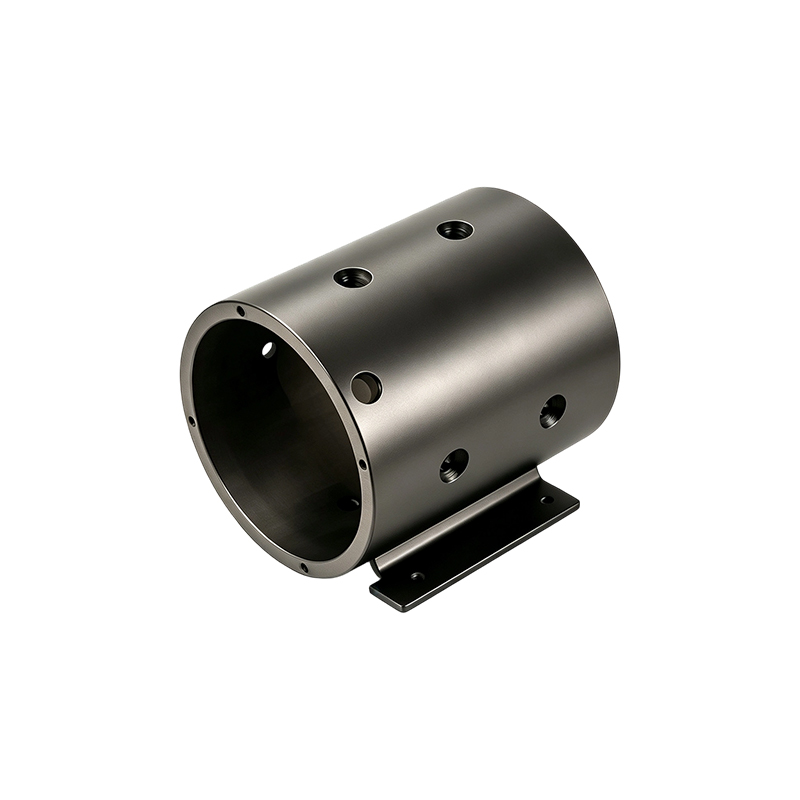
A heavy-wall steel motor housing is a motor enclosure machined with a thicker structural wall than standard designs, built specifically to resist deformation under high mechanical load, vibration, and impact. The extra material is concentrated where stress concentrates — around bearing seats, mounting faces, and load-bearing bores.
The added thickness is not a blanket upgrade. It is a targeted response to a specific mechanical problem: standard-wall housings that flex under load lose bore concentricity, and lost concentricity accelerates bearing wear regardless of how good the bearing itself is.
Four Reasons Buyers Specify Heavy-Wall Construction
- 01
Structural rigidity under load. Thicker walls resist the deformation that shifts stator and bearing alignment over time.
- 02
Impact resistance. Additional material absorbs mechanical contact that would dent or crack a standard-wall housing.
- 03
Vibration stability. Rigid construction keeps pumps, compressors, and conveyor drives from working themselves out of tolerance.
- 04
Dimensional stability at scale. Consistent bore and mounting dimensions across a full production run, even under repeated mechanical cycling.
Wall thickness should be sized to the specific load and vibration profile of the equipment — not maximized by default, since unnecessary thickness adds weight and cost without a matching gain in reliability.
Heavy-Wall vs. Standard-Wall: What Actually Changes
| Structural rigidity | High — built for sustained mechanical load | Adequate for normal operating loads |
| Impact resistance | Strong resistance to dents and mechanical contact | Lower tolerance for impact events |
| Weight | Heavier due to added material | Lighter, easier to handle and mount |
| Cost | Higher material and machining cost | Lower production cost |
| Best fit | Heavy machinery, mining, construction, compressors | General industrial and commercial equipment |
Industries That Depend on Heavy-Wall Housings
Six categories of equipment consistently justify the added material cost of a reinforced housing.
- Heavy industrial machinery, including machine tools and production drives
- Pumps and compressors running continuous duty cycles
- Construction equipment exposed to vibration, dust, and impact
- Mining and bulk material handling systems under heavy mechanical load
- Conveyor drives operating around the clock in factories and warehouses
- Energy and power equipment requiring long, uninterrupted service life
How Heavy-Wall Housings Are Manufactured
Production starts with steel selected for strength, machinability, and thickness consistency, since variation in a thick blank affects both cutting behavior and final tolerance. CNC turning, milling, and boring shape the bearing seats and mounting faces, followed by drilling, tapping, and deburring. Because thicker material generates more cutting force and heat, machining strategies are adjusted specifically for heavy-wall geometry before parts move to surface treatment and final dimensional inspection.
Specifying the Right Heavy-Wall Housing
Start by confirming that heavy-wall construction actually solves a problem in your application — sustained vibration, mechanical impact risk, or continuous heavy load — rather than adding thickness by default. From there, lock down wall thickness, bore diameter, mounting configuration, and machining tolerance against the motor's technical drawing.
Supplier evaluation matters more here than with standard-wall parts, since thick-wall machining requires different cutting strategies and equipment. A capable heavy-wall steel motor housing manufacturer should demonstrate large-part CNC capability and documented dimensional consistency across production batches.
Frequently Asked Questions
When does a motor actually need a heavy-wall housing?
Heavy-wall construction is justified when equipment experiences sustained vibration, mechanical impact risk, or continuous heavy load that would deform a standard-wall housing over time.
Does extra wall thickness affect motor heat dissipation?
Thicker steel walls do not significantly impede heat transfer, since the housing still conducts and radiates heat through its external surface area.
Is a heavy-wall housing always the safer choice?
No, unnecessary thickness adds weight and cost without a corresponding reliability gain, so wall thickness should match the actual load and vibration profile of the equipment.
Can heavy-wall housings be customized for OEM designs?
Yes, wall thickness, steel grade, housing dimensions, and mounting configuration can all be adapted through CNC machining to fit a specific OEM motor design.
 Previous