

 English
 Español
Content
- 1 Why Tube Stock Changes the Manufacturing Math
- 2 Four Advantages Buyers Get From Tubular Construction
- 3 Steel Tube vs. Cast Steel: Choosing the Manufacturing Route
- 4 Where Steel Tube Housings Are Used
- 5 The Manufacturing Sequence, Step by Step
- 6 Specifying the Right Steel Tube Housing
- 7 Frequently Asked Questions
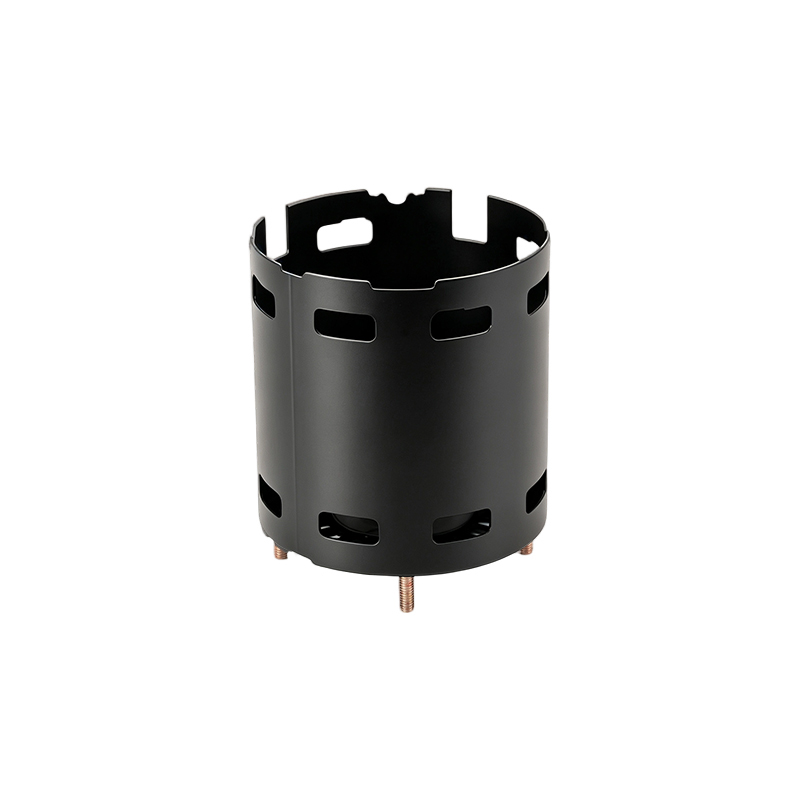
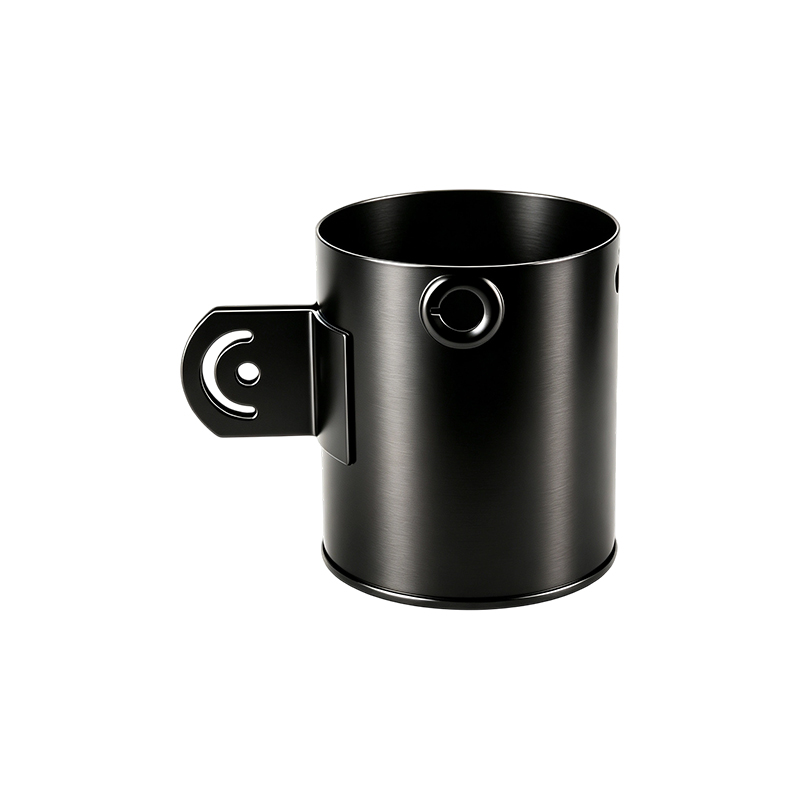
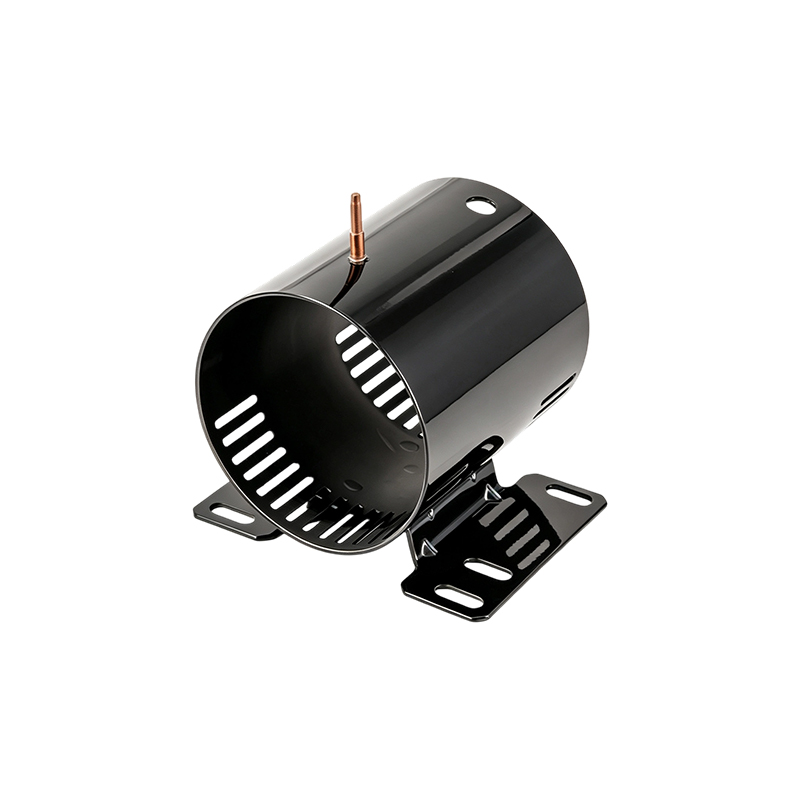
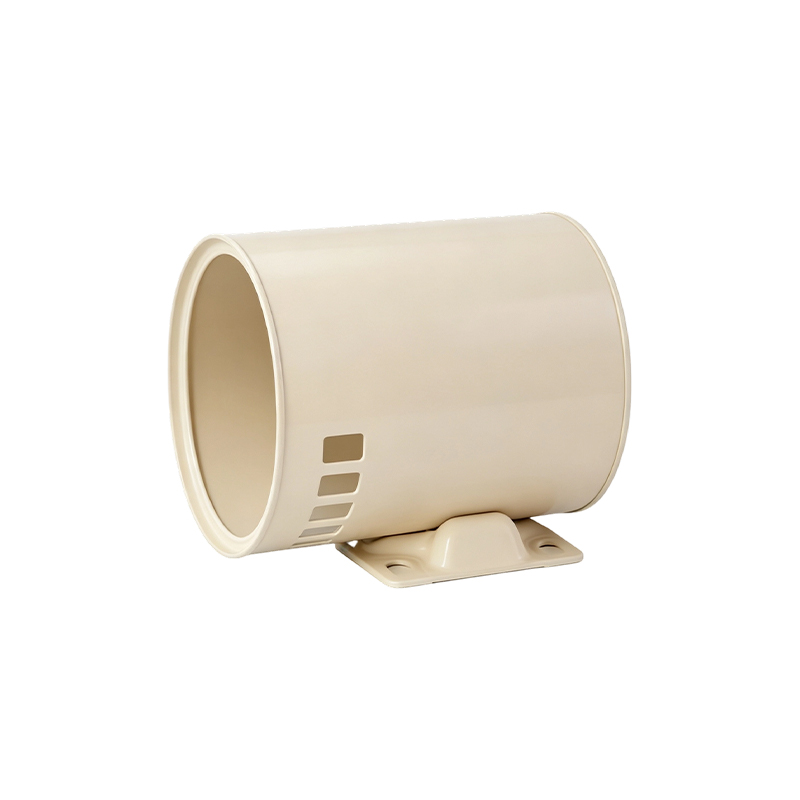
A steel tube motor housing starts life as tubing rather than solid bar stock, which changes the entire economics of producing a cylindrical motor enclosure. For buyers running medium- to high-volume OEM programs, that starting point often means less material removal, faster machining cycles, and more consistent wall thickness across every unit.
Why Tube Stock Changes the Manufacturing Math
A steel tube motor housing is a cylindrical motor enclosure machined from steel tubing rather than solid bar, giving it a naturally uniform wall thickness before any cutting begins. That starting geometry means CNC turning and boring remove far less material to reach final dimensions than machining an equivalent housing from solid stock.
For OEM buyers ordering hundreds or thousands of units, that difference compounds. Less material removal means shorter cycle times, lower tooling wear, and more consistent results from the first unit in a batch to the last.
Four Advantages Buyers Get From Tubular Construction
Structural Strength
The cylindrical form is inherently rigid, resisting deformation under vibration and mechanical load.
Length Flexibility
Tube stock cuts to any required length, letting one supplier cover a full range of motor sizes.
Machining Efficiency
Uniform starting wall thickness shortens CNC cycle times versus solid-stock machining.
Batch Consistency
Repeatable tube dimensions translate into repeatable finished housings across large production runs.
Steel Tube vs. Cast Steel: Choosing the Manufacturing Route
Steel Tube Motor Housing
Efficient for cylindrical geometries, competitive cost on repeat production, and well suited to pumps, fans, and automation equipment where the housing shape stays simple.
Cast Steel Motor Housing
Better suited to complex, integrated geometries with features that would be costly to machine from tube, though tooling costs run higher for low-volume orders.
The right route depends on housing complexity, order volume, and how much of the final geometry can be reached through turning and boring versus requiring an integrated cast shape.
Tube dimensional consistency — roundness, straightness, and wall thickness — determines final part quality more than almost any other single input in the process.
Where Steel Tube Housings Are Used
- Industrial automation equipment, including conveyors and positioning systems
- Pumps and fluid-handling equipment requiring continuous rotation
- Industrial fans and blowers running long duty cycles
- Conveyor systems in factories, warehouses, and distribution centers
- Agricultural machinery, including pumps and ventilation drives
- General industrial manufacturing machinery with cylindrical motor mounts
The Manufacturing Sequence, Step by Step
Production begins with tube material inspection to confirm diameter, wall thickness, straightness, and roundness before any cutting starts. The tube is then cut to length, end faces are prepared, and CNC turning shapes the outer diameter while internal boring establishes the bore. Drilling, tapping, and groove machining add mounting and connection features, followed by deburring, surface treatment, and a final inspection pass covering concentricity, roundness, and overall dimensions against the customer drawing.
Specifying the Right Steel Tube Housing
Confirm motor size, power, operating speed, and vibration exposure first, since these determine the minimum wall thickness and diameter the tube needs to provide. Then lock in tube outer and inner diameter, wall thickness, housing length, and dimensional tolerances in the engineering drawing before production begins.
Supplier evaluation should focus on tube sourcing reliability and precision boring capability. A capable steel tube motor housing manufacturer should show consistent concentricity and wall thickness control across repeat batches, not just on a single sample part.
Frequently Asked Questions
Is a steel tube motor housing cheaper than a cast housing?
For simple cylindrical geometries and repeat production volumes, tube-based housings are often more cost-effective since they avoid casting tooling costs.
What tube specifications matter most for motor housings?
Wall thickness consistency, roundness, straightness, and concentricity have the greatest impact on final machining accuracy and assembly fit.
Can steel tube housings handle complex mounting features?
Yes, drilling, tapping, and groove machining can add mounting holes and connection interfaces after the tube is cut and turned to length.
Does tube-based construction limit housing length options?
No, tube stock can be cut to virtually any length required, making it well suited to covering a wide range of motor sizes from one material source.
 Previous