


 English
 Español
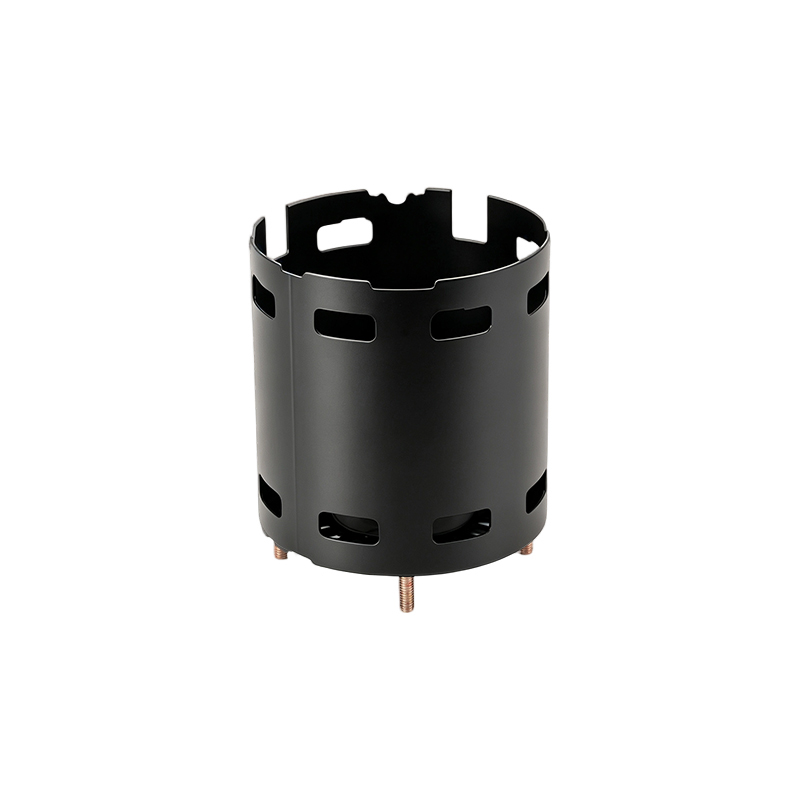
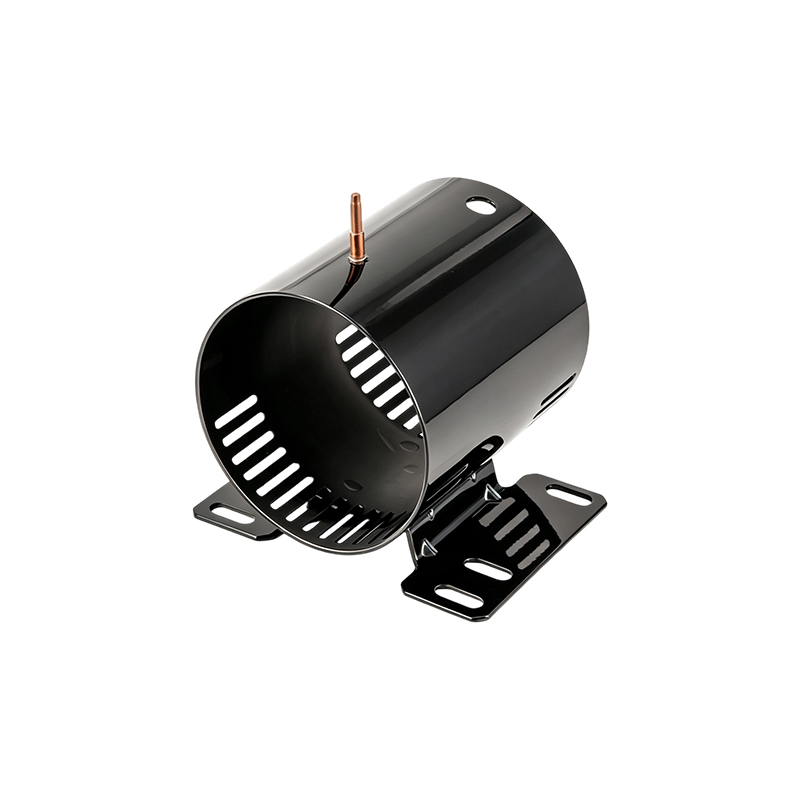
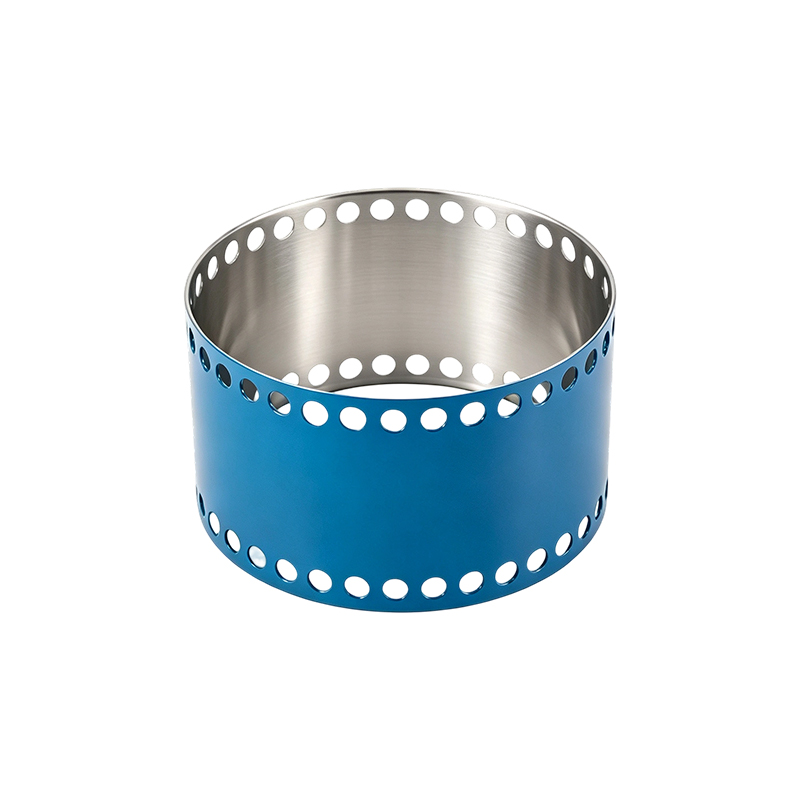
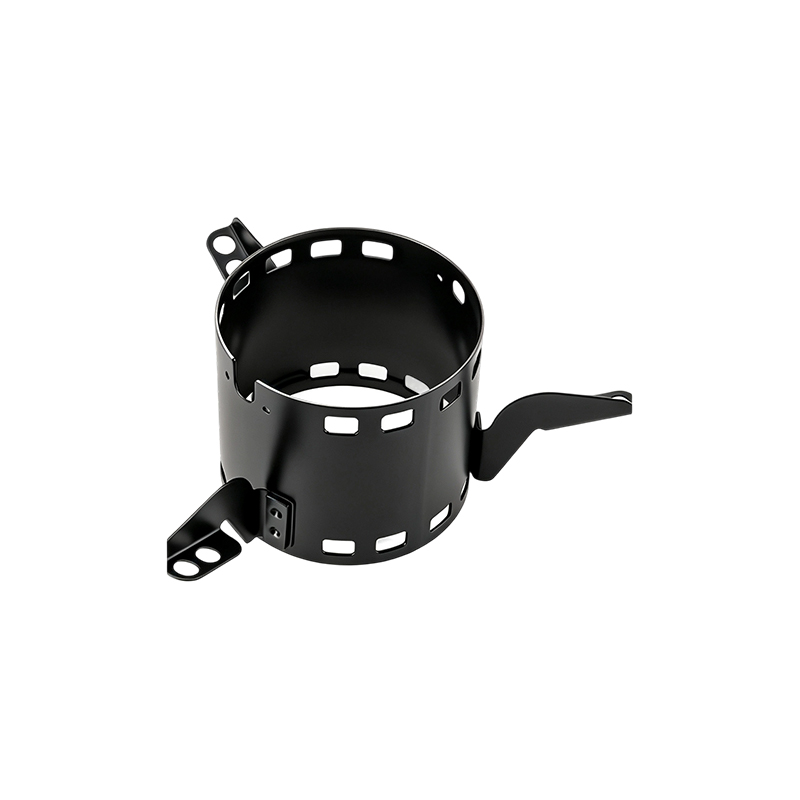
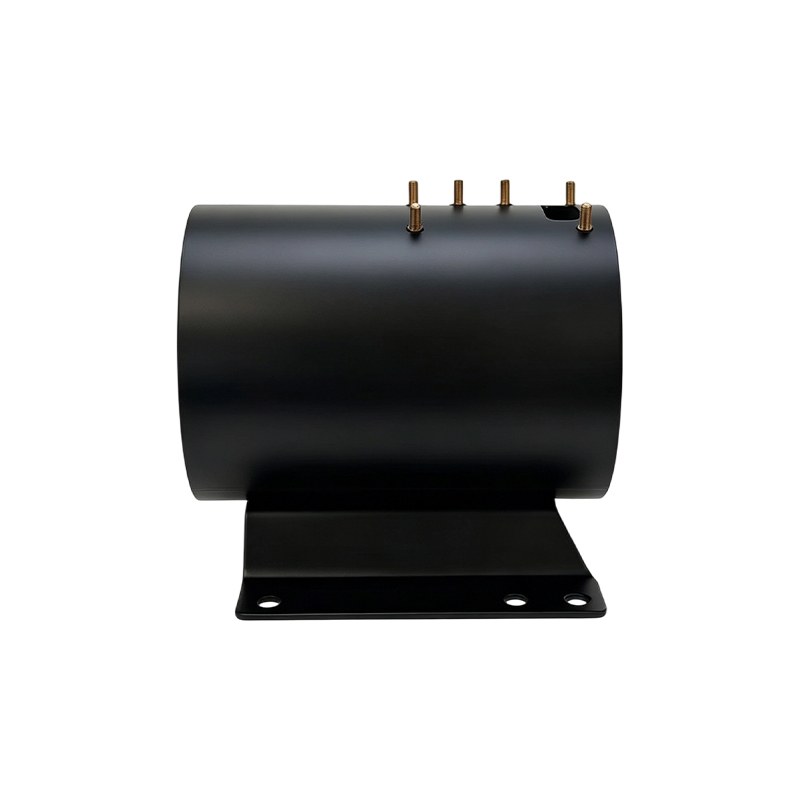
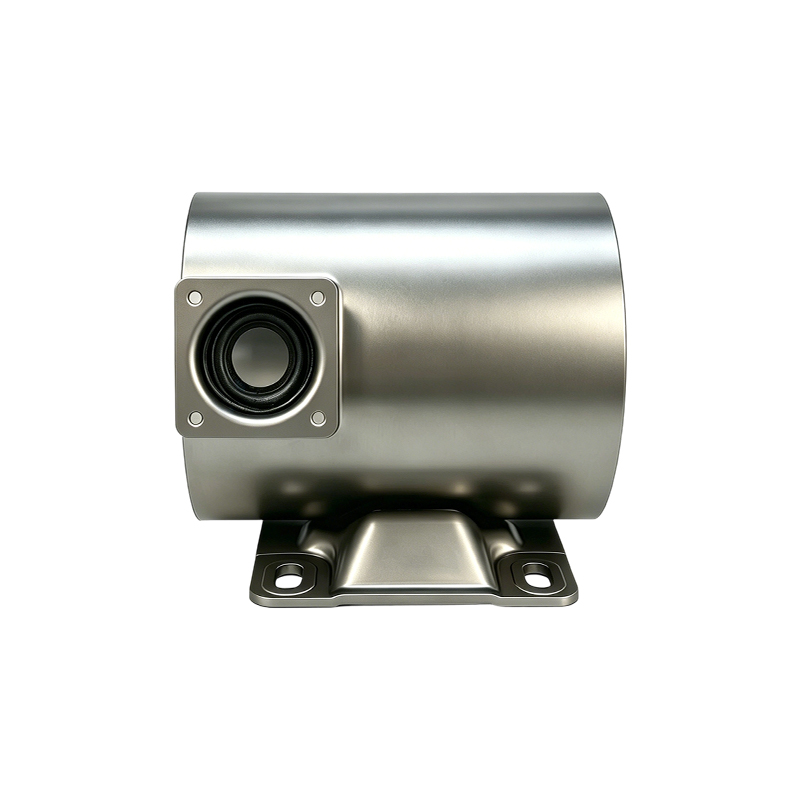
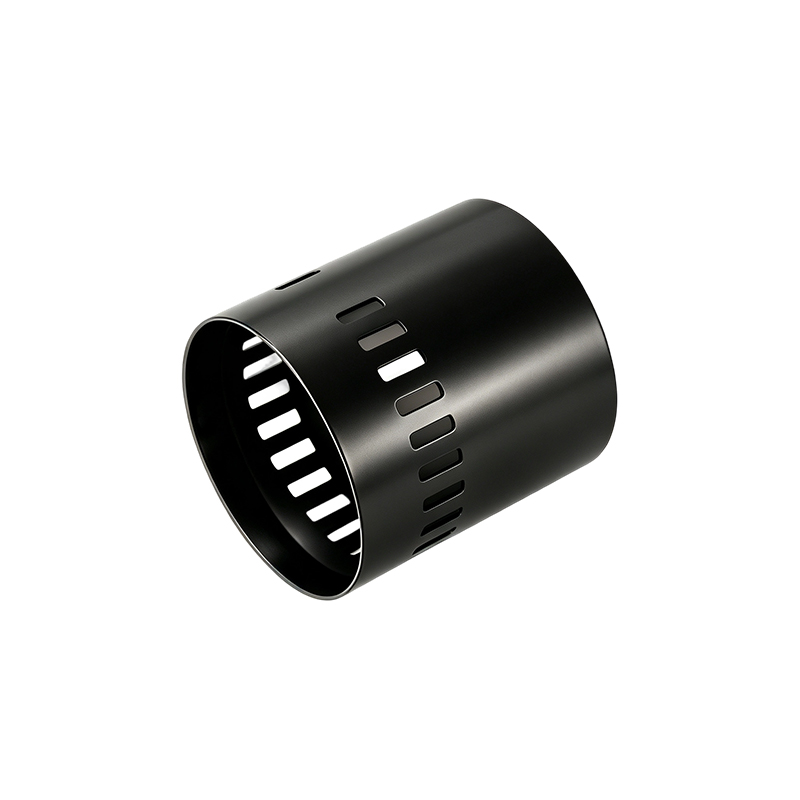
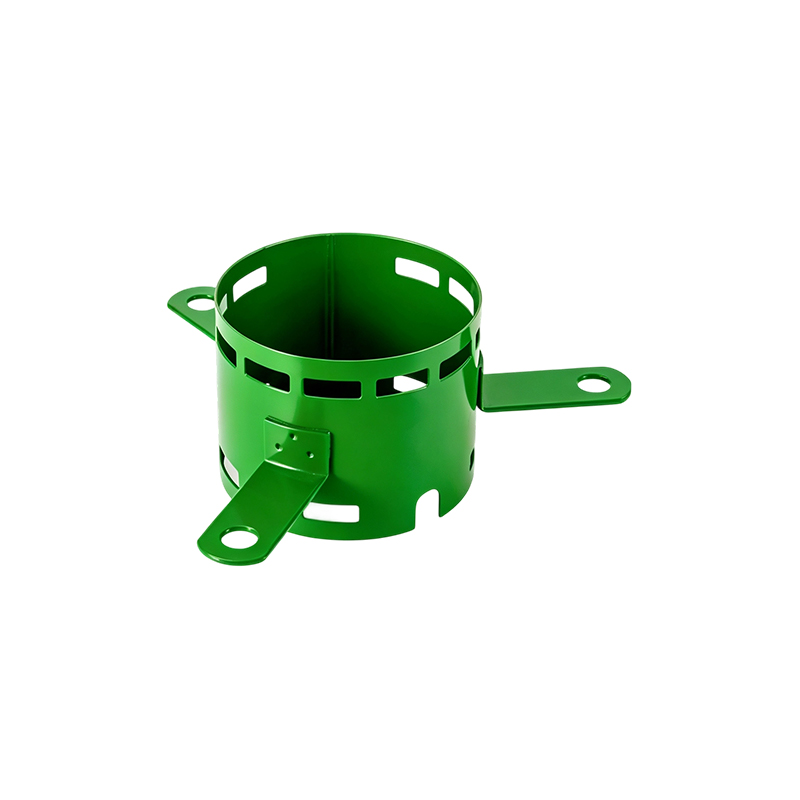
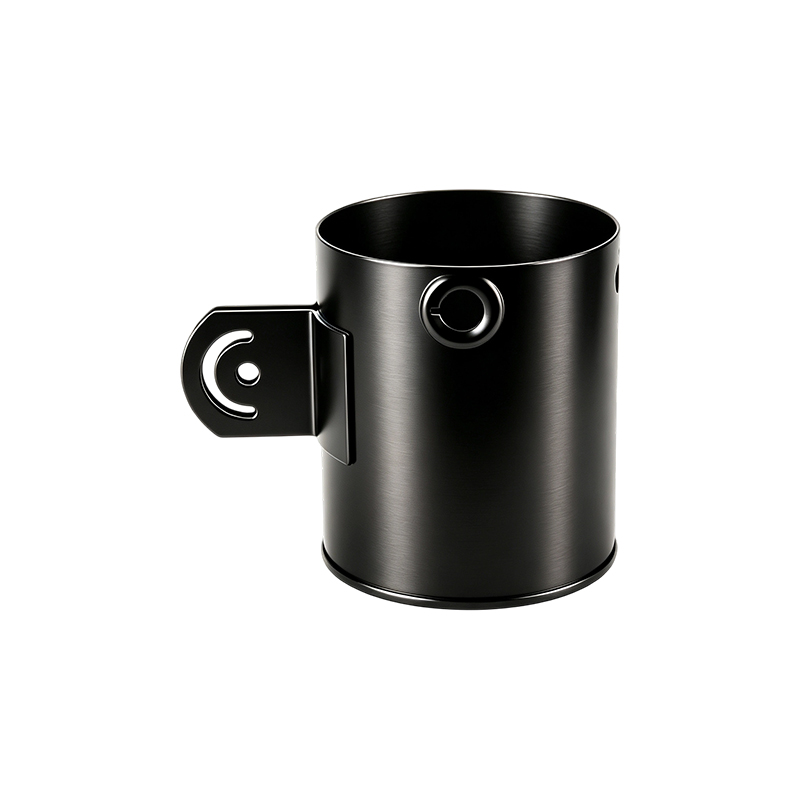
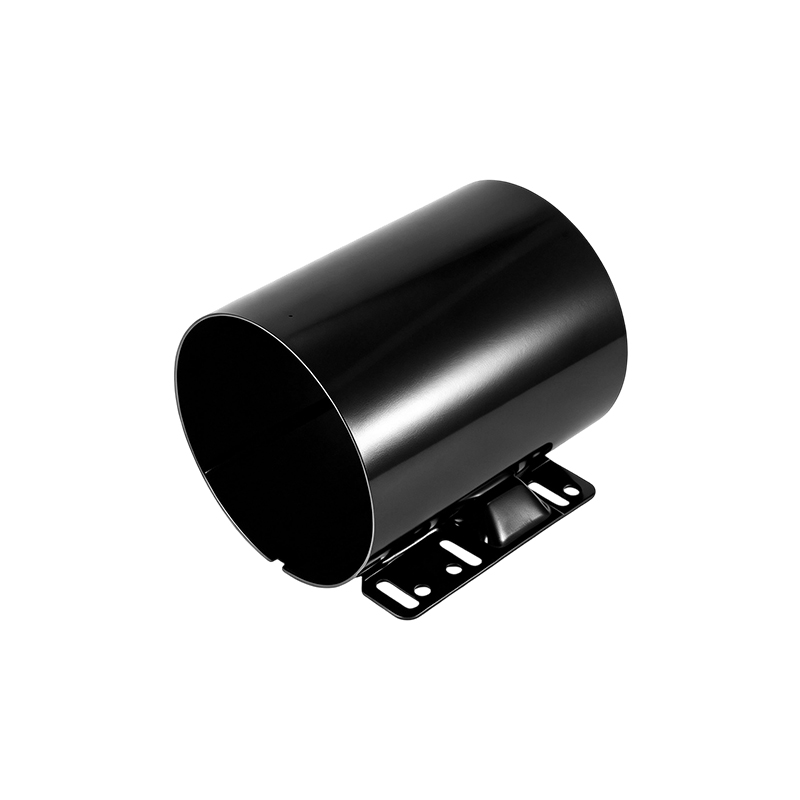
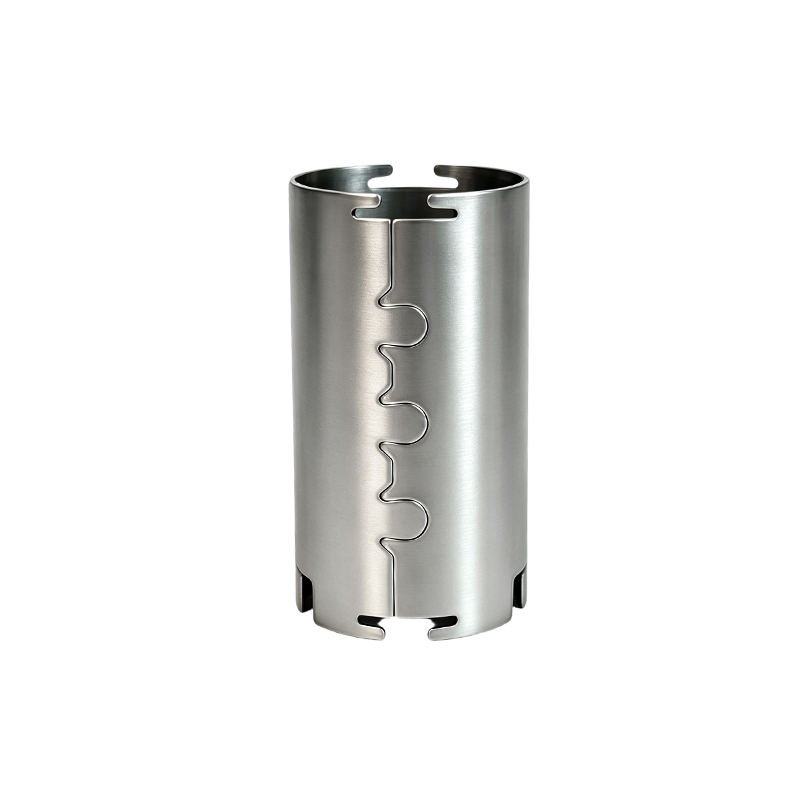
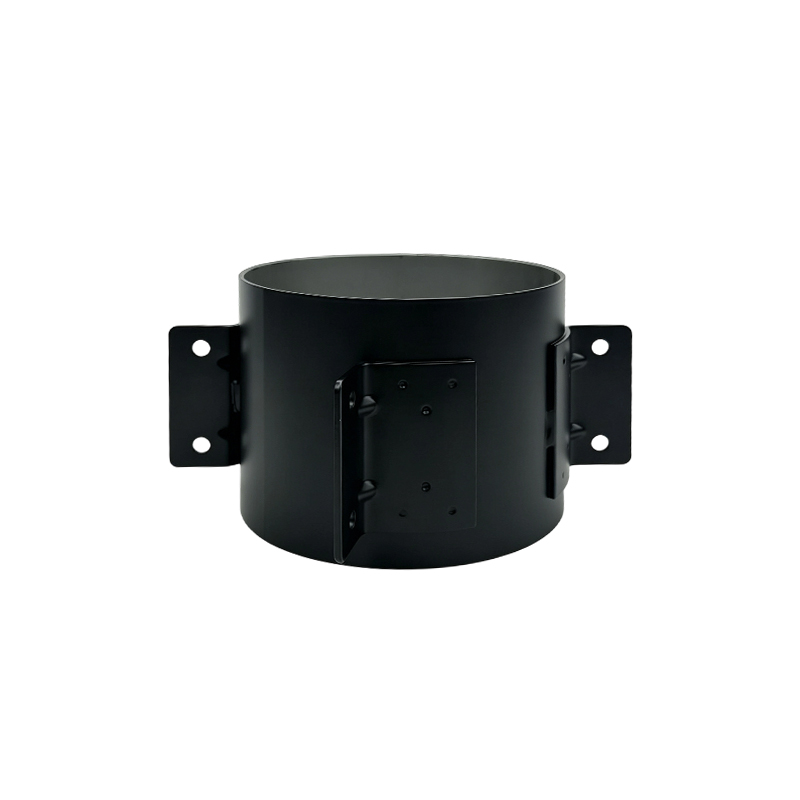
Explosion-Proof Motor Outer Casing
Hazardous Area EnclosureAn explosion-proof motor outer casing is the pressure-containing and flame-path-defining enclosure of a motor built for classified areas. It restricts the route by which a flammable atmosphere can reach an internal ignition source and it must hold its geometry through thermal cycling, vibration, and mechanical assembly loads. Jiangsu Yufeng Electric Co., Ltd. produces these casings through continuous stamping, automated welding, precision machining, and in-house electrophoretic coating and powder coating.
Casing Function And Design Focus
Containment And Flame Path
The casing must contain an internal ignition without transmitting it to the surrounding atmosphere. This depends on joint clearance, surface finish, and the total flame path length at each mating interface, which is why those surfaces are machined rather than formed.
Wall thickness and body roundness are controlled so that the casing does not deform in a way that changes joint clearance during service.
Mechanical And Environmental Load
The casing carries vibration from the rotor, load from mounting and piping connections, and thermal cycling from the motor. Coating selection follows the humidity and chemical exposure of the installation area.
Corrosion of a joint face changes clearance over time, so surface treatment is part of the functional design and not only a cosmetic step.
Production Capability
Product Specifications
| Base Material | Steel, stainless steel, and other specified metals selected for the classified area atmosphere and mechanical load |
| Body Construction | Welded shell with machined joint interfaces and mounting features |
| Flame Path Surfaces | Machined to controlled clearance, surface finish, and mating dimension |
| Welding | Automated welding for repeatable seam geometry across batches |
| Forming | Continuous stamping with material utilization above 92 percent |
| Surface Treatment | Electrophoretic coating and powder coating on in-house lines |
| Inspection | Custom gauges and online inspection equipment on key dimensions |
| Traceability | Batch traceable to raw material, machine, and operator |
| Quality System | ISO 9001:2015; IATF 16949 aligned process control |
| Customization | Body structure, joint detail, mounting dimensions, and coating type adapted to motor and area requirements |
Supply Advantages
Single Source Process Chain
Stamping, welding assembly, machining, and coating are performed in one production system, which removes the coordination gaps that appear when casing stages are split across suppliers. Tolerances stay consistent from steel processing to finished delivery.
Machining Of Functional Surfaces
Flame path faces, joint interfaces, and mounting features are machined and checked with custom gauges. Clearance and fit remain within specification across production batches rather than drifting with tool wear.
Coating Under Direct Control
Electrophoretic coating and powder coating run on internal lines, keeping thickness, adhesion, and curing under direct process control. This supports stable corrosion performance for outdoor and chemical exposure installations.
Engineering Involvement Early
With an average of over 20 years of experience, the engineering team supports synchronous product development, in-house tooling design, and process parameter optimization, so structure and joint detail can be reviewed before tooling is cut.
Batch Traceability
Each batch traces back to raw material lots, production machines, and operators. Deviations can be located quickly and closed through corrective action rather than broad sorting.
Flexible Order Volume
Multi-variety and small-batch manufacturing runs alongside high-volume production. Trial builds, mid-volume orders, and multi-batch scheduling are supported without forcing excess inventory.
Application Scenarios
Petrochemical Plants
Casings for pump, compressor, and fan motors installed where flammable gases or vapors may be present.
Chemical Processing
Casings for equipment exposed to flammable atmospheres together with corrosive chemical agents, where coating selection affects service life.
Combustible Dust Facilities
Motor outer casings for grain handling, wood processing, and powder handling where combustible dust is present.
Fuel And Gas Handling
Casings for motors driving pumps and compressors in fuel transfer and gas compression systems.
Paint And Solvent Processing
Casings for mixers, conveyors, and ventilation equipment operating in areas with solvent vapor.
Mining And Tunneling
Casings for motors used underground or in confined spaces where flammable gas accumulation is a design consideration.
Frequently Asked Questions
A standard housing provides structure and mounting. An explosion-proof casing adds containment of internal ignition and a defined flame path at each joint. That places tighter requirements on joint clearance, surface finish, wall thickness, and the dimensional control of mating surfaces.
Flame path faces and joint interfaces are machined, then monitored with custom gauges and online inspection equipment as part of process control. This keeps clearance and fit within specification across batches instead of varying with tool wear.
Electrophoretic coating and powder coating are both applied on in-house lines. Selection depends on the corrosive agents present in the operating area and the mechanical conditions the casing meets during installation and service.
Yes. Body structure, mounting dimensions, joint detail, and coating selection can be adapted. Changes are handled through in-house tooling design and process parameter optimization.
Standard non-standard custom samples can be delivered within 3 to 10 working days. Complex custom projects can complete first-article samples within 15 days.
Product drawings or detailed specifications, including dimensions, material, joint and flame path requirements, surface treatment, estimated annual demand or quantity per batch, and any special technical requirements. Quotations are typically provided within 2 to 3 working days after confirmation.
Yes. Multi-variety and small-batch manufacturing is supported, covering development trials, small-to-medium volume orders, and flexible multi-batch scheduling.
Selection Notes
Area Classification
Confirm the hazardous area classification and the gases, vapors, or dusts present, since these determine material and joint requirements.
Flame Path Definition
Define joint clearance, surface finish, and mating dimensions against the motor design and the applicable casing standard.
Corrosion Exposure
Specify coating type and thickness based on humidity, chemical exposure, and whether the installation is indoors or outdoors.
Mechanical Load
Review wall thickness and mounting features against vibration, impact, and loads transmitted through the motor installation.
Traceability Scope
Define batch traceability requirements for raw materials, production processes, and finished product inspection records.
Order Planning
Provide estimated annual demand and batch size so production planning and cost optimization align with delivery schedules.
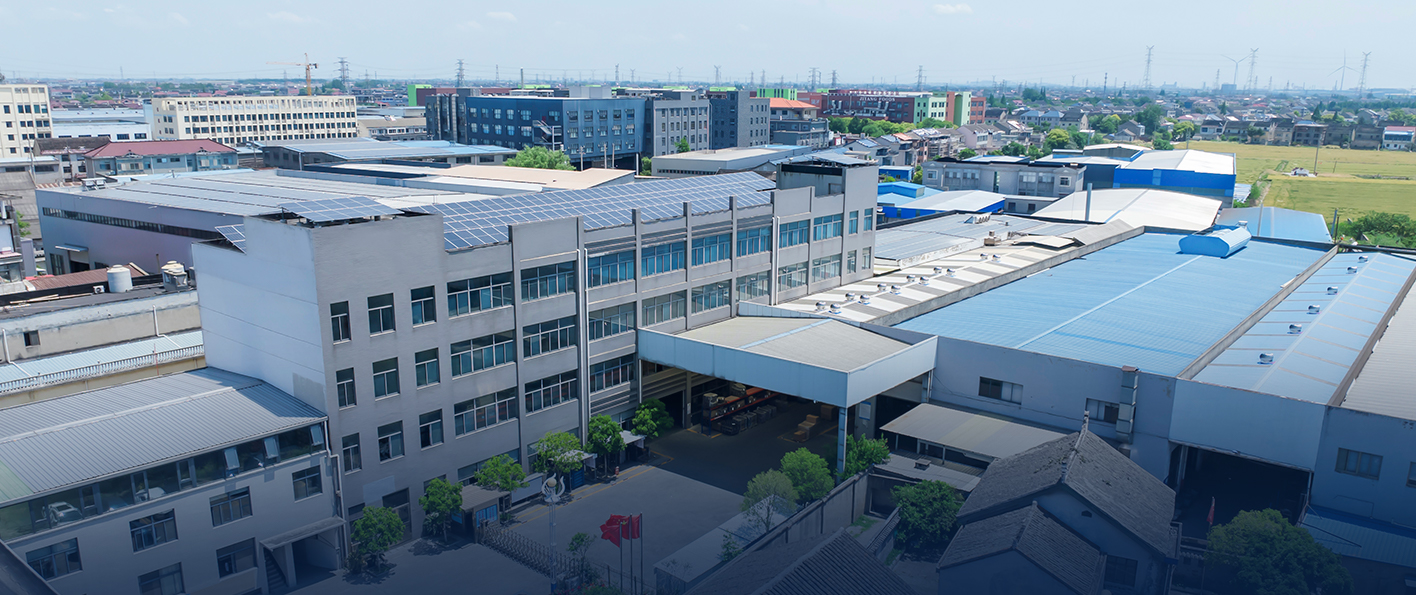
Manufacturing Solutions
We offer full-process manufacturing capabilities from steel processing to finished product delivery, supported by stamping lines, automated welding equipment, machining facilities, and inspection instruments. Backed by an engineering team with an average of over 20 years of experience, we provide technical support from development to mass production.
With 40 years of focus on motor housing manufacturing, we have served more than 50 customers and achieved an annual production capacity of over 5 million units. Guided by quality, efficiency, and fast response, we are committed to delivering high-precision and high-reliability motor housing solutions.



