


 English
 Español
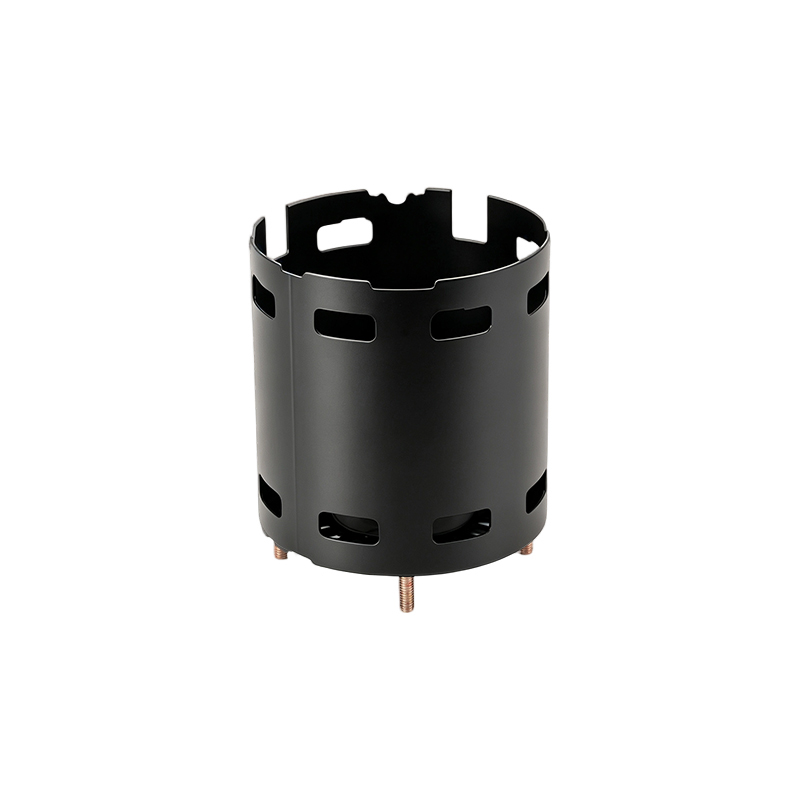
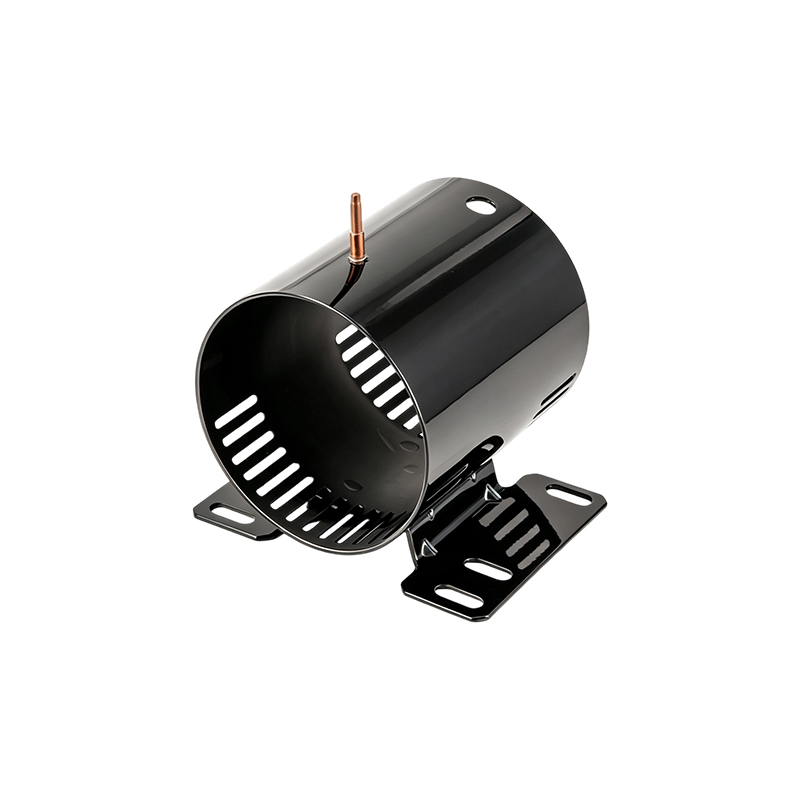
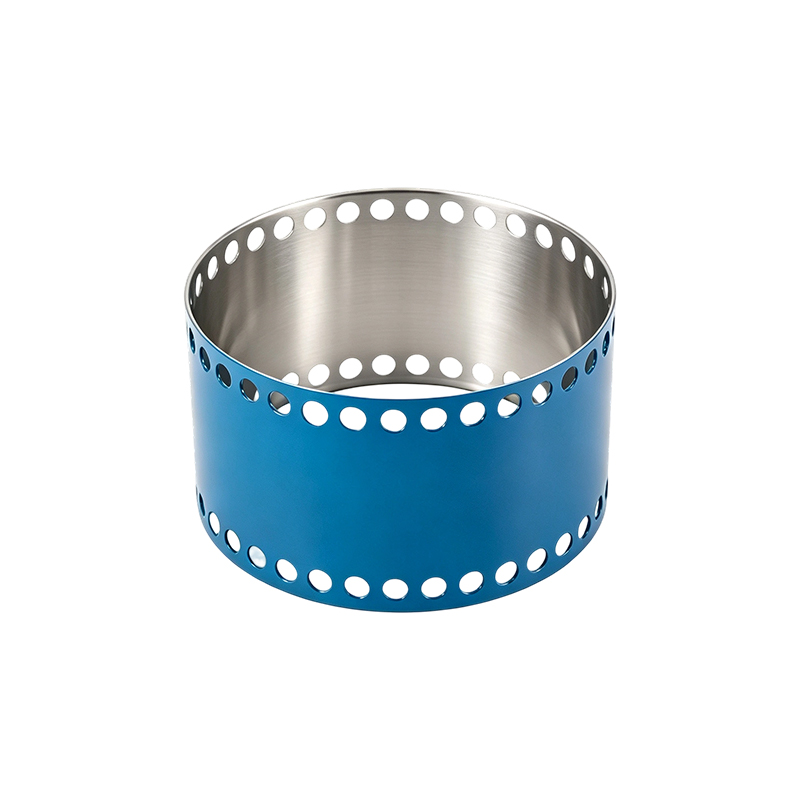
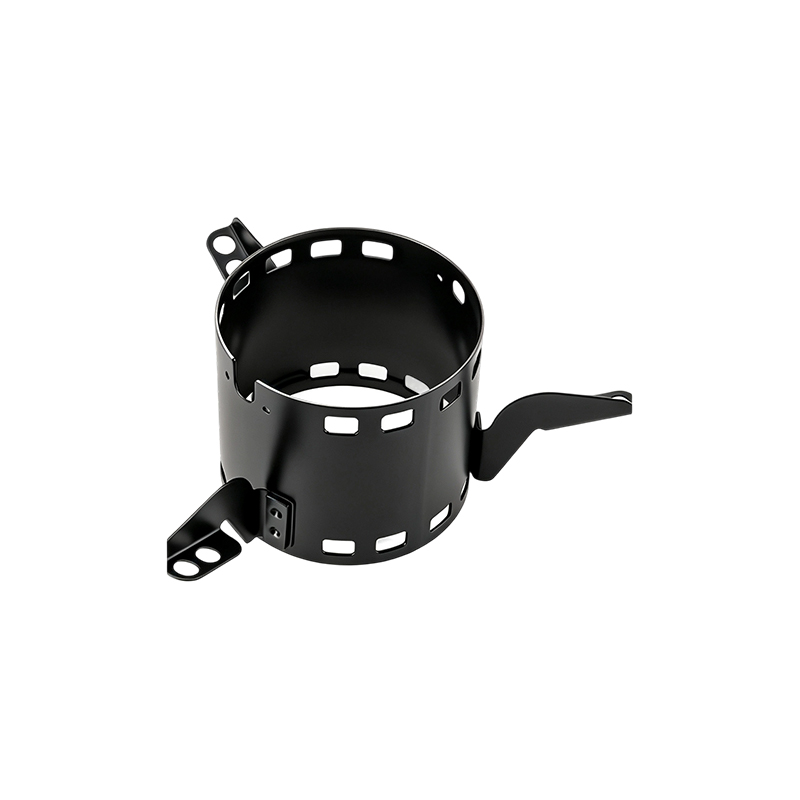
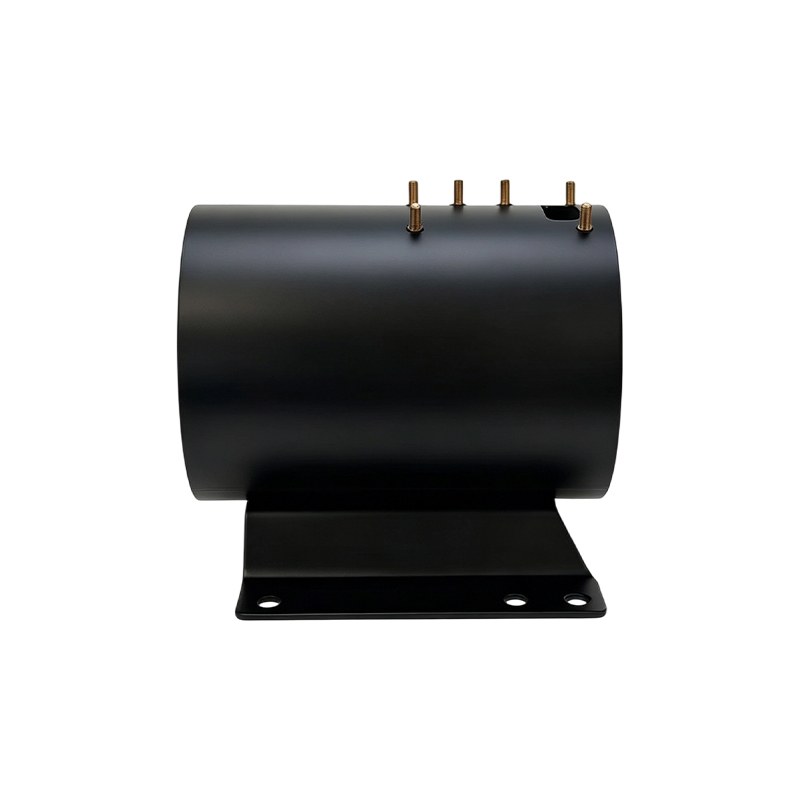
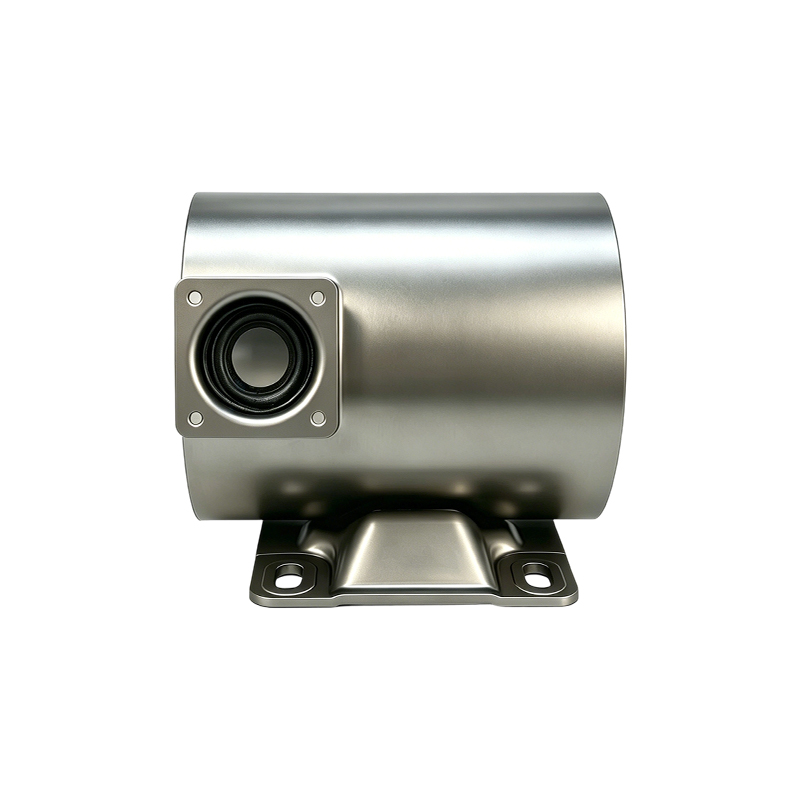
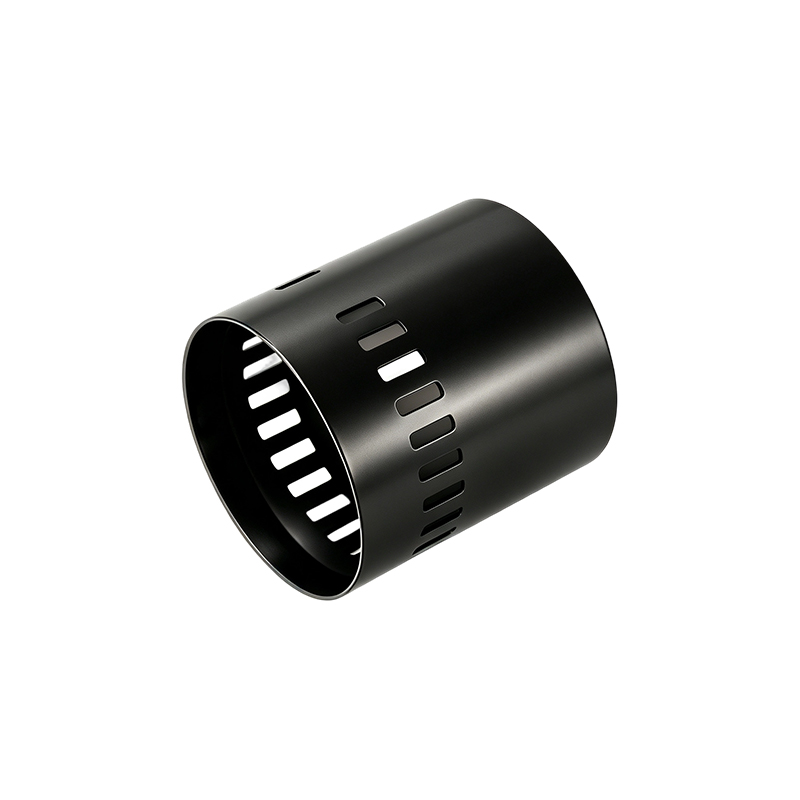
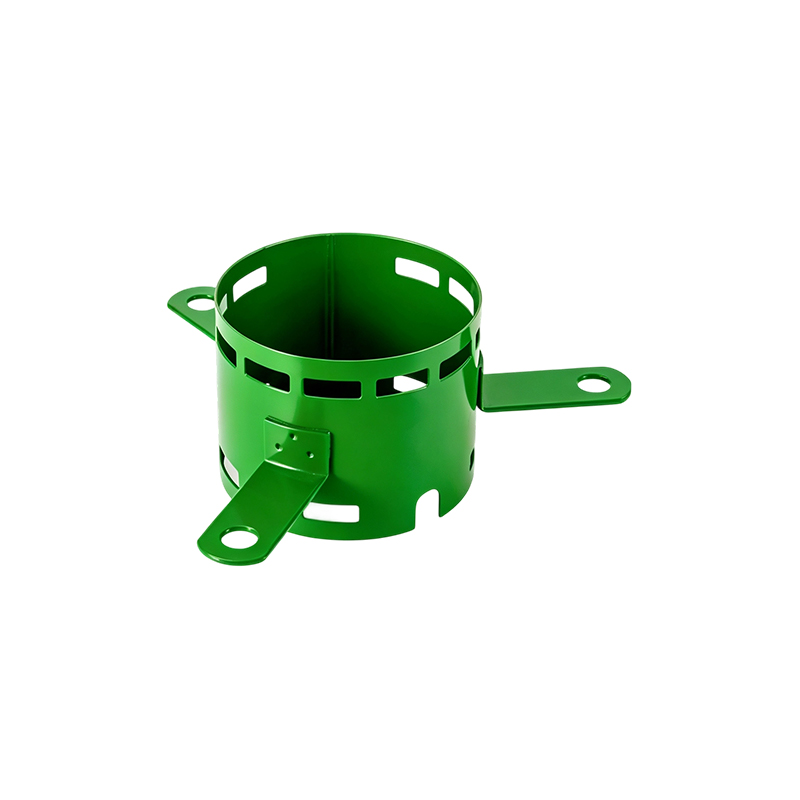
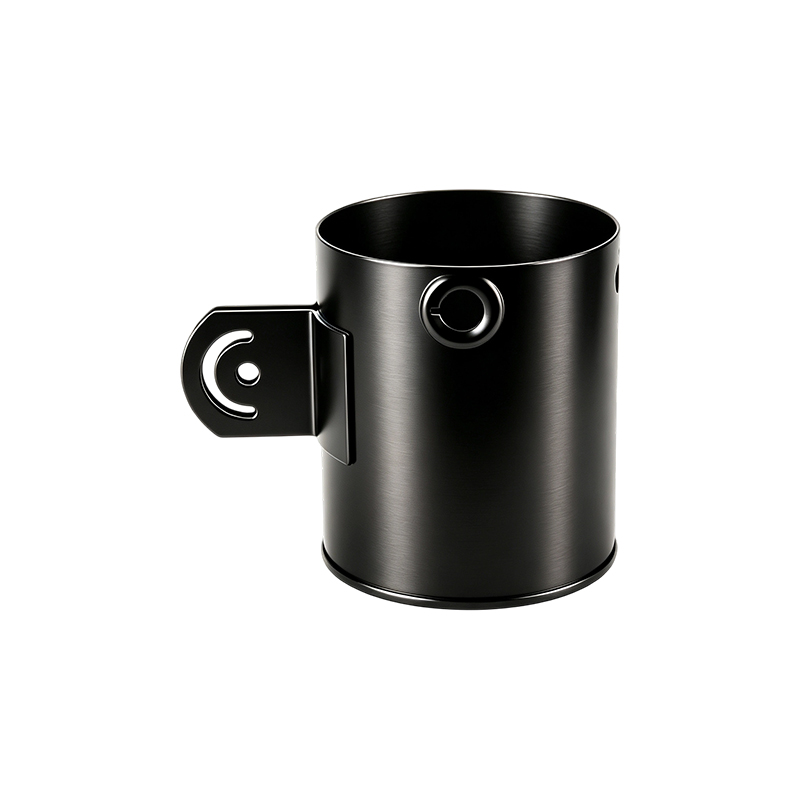
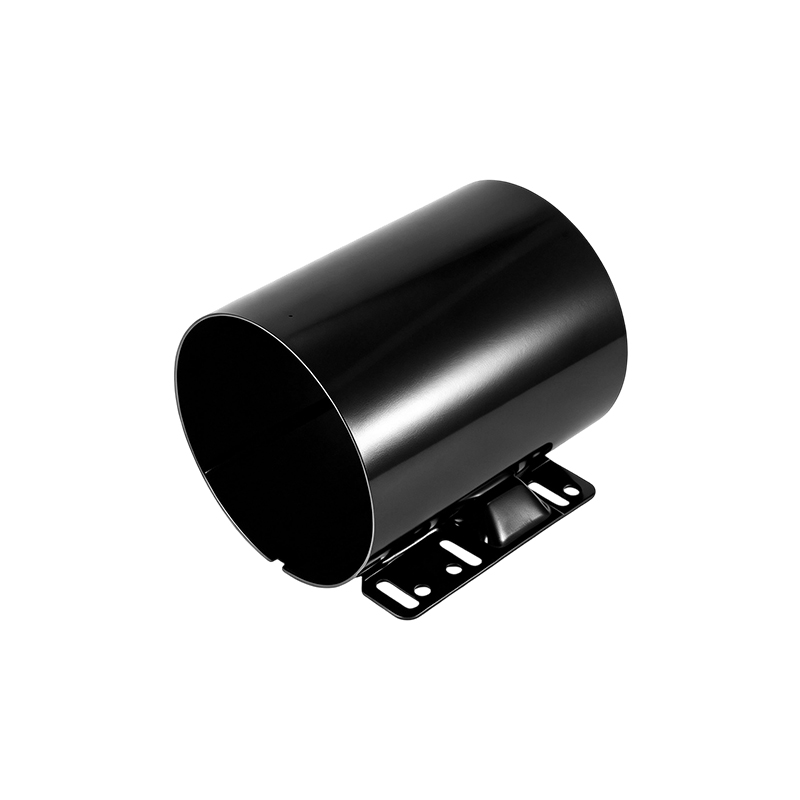
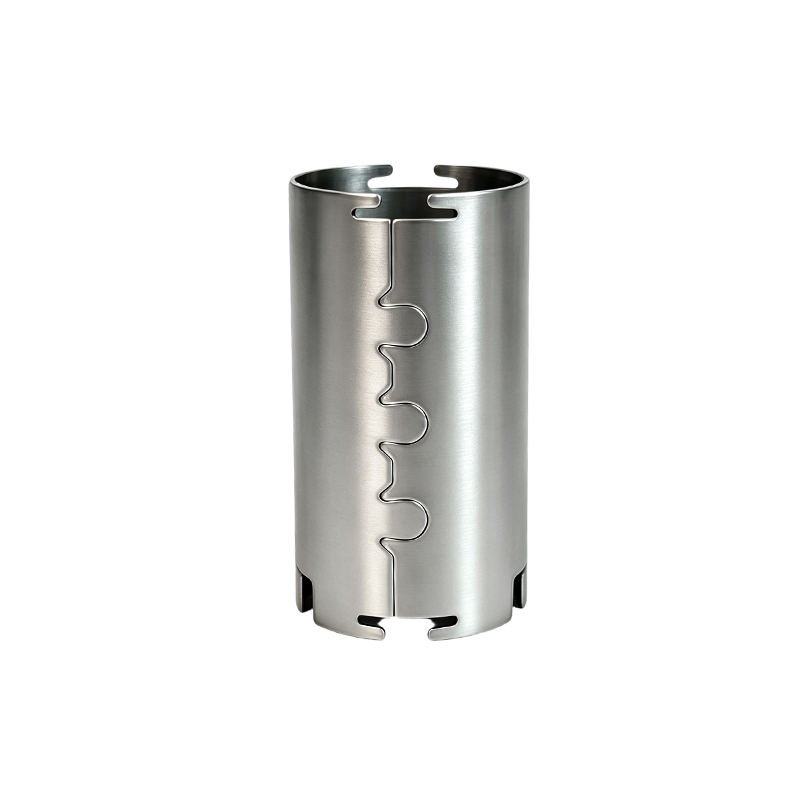
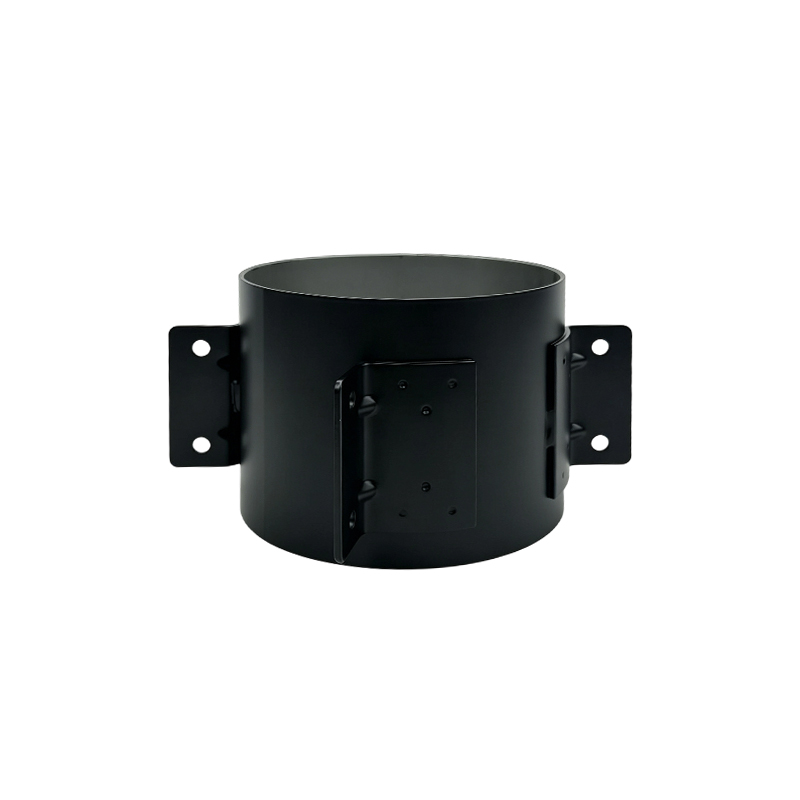
High-Speed Spindle Motor Enclosures
Motor enclosures for high-speed spindle drives used in machining centers, grinding machines, and precision milling equipment. Manufactured by Jiangsu Yufeng Electric Co., Ltd. through integrated stamping, automated welding, precision machining, and in-house coating processes.
A high-speed spindle motor enclosure operates in a regime where rotational speed, not load, drives the design. At elevated speed, rotor dynamics, bearing preload stability, and thermal growth dominate, and the enclosure must hold the bearing seats in alignment while limiting the vibration that would otherwise be amplified at the spindle nose.
Jiangsu Yufeng Electric Co., Ltd. produces these enclosures with continuous stamping at material utilization above 92 percent, automated welding for repeatable seams, and precision machining on bore, bearing seats, and mounting faces. Electrophoretic coating and powder coating are applied on in-house lines. Bore and bearing seat features are machined after joining, so concentricity reflects the assembled enclosure.
What High Speed Demands From The Enclosure
Bearing Seat Alignment
At high rotational speed, small misalignment between bearing seats produces vibration that grows with speed. Bore concentricity and seat squareness become the dominant dimensional requirements.
Thermal Growth Control
Spindle motors generate heat in the stator and bearings. The enclosure must conduct heat away while limiting differential expansion that would change bearing preload.
Vibration Damping
Stiffness and mass distribution influence the natural frequency of the assembly. An enclosure that is too compliant can amplify vibration near the spindle operating range.
Coolant And Chip Exposure
Machining centers expose spindle enclosures to coolant mist and metal chips. Joint detail and coating selection limit ingress toward the bearings and windings.
Product Specifications
| Base Material | Steel, stainless steel, and other specified metals selected for spindle speed, thermal load, and environment |
| Enclosure Construction | Welded body with machined bore, bearing seats, and mounting faces |
| Bearing Seats | Machined after welding for bore diameter, concentricity, and squareness |
| Mounting Faces | Flange and mounting features machined to drawing requirements for alignment with the machine spindle |
| Coolant And Chip Barrier | Welded seams and mating surfaces controlled to limit coolant mist and chip ingress |
| Welding | Automated welding for repeatable seam geometry and consistent joint quality |
| Forming | Continuous stamping with material utilization above 92 percent |
| Surface Treatment | Electrophoretic coating and powder coating applied on in-house lines |
| Inspection | Custom gauges and online inspection equipment on key dimensions |
| Traceability | Batch traceable to raw material, machine, and operator |
| Quality System | ISO 9001:2015; IATF 16949 aligned process control for automotive customers |
| Customization | Bore diameter, bearing seat arrangement, wall section, mounting pattern, and coating adapted to spindle design |
Manufacturing Capabilities Applied To Enclosures
Post-Weld Bore And Seat Machining
Bore and bearing seats are machined after joining, so concentricity and squareness reflect the assembled enclosure rather than the pre-weld component. This supports bearing alignment at elevated speed.
Automated Welding
Automated welding equipment produces repeatable seam geometry and consistent heat input, limiting distortion in the enclosure body and supporting stable bore roundness after joining.
Continuous Stamping
Enclosure bodies are formed through continuous stamping with material utilization above 92 percent. Uniform wall thickness supports even heat conduction and predictable thermal behavior.
In-House Coating
Electrophoretic coating and powder coating run on internal lines, keeping thickness, adhesion, and curing under direct process control for consistent corrosion performance.
Engineering Support
An engineering team with an average of over 20 years of experience supports synchronous product development, in-house tooling design, and process parameter optimization before tooling is cut.
Batch Traceability
Each batch traces back to raw material lots, production machines, and operators, so deviations can be located quickly and closed through corrective action.
Application Scenarios
Machining Centers
Enclosures for spindle motors in vertical and horizontal machining centers exposed to coolant mist and continuous high-speed operation.
Grinding Spindles
Motor enclosures for surface, cylindrical, and internal grinding spindles where vibration directly affects surface finish.
Precision Milling
Enclosures for high-speed milling spindles used in mold and die work where bearing seat alignment affects tool life.
PCB Drilling Spindles
Motor enclosures for high-speed drilling spindles where rotational speed and thermal stability are critical.
Dental And Medical Spindles
Enclosures for compact high-speed spindles where low vibration and quiet operation are required.
Woodworking Spindles
Enclosures for routing and cutting spindles exposed to dust and continuous speed variation.
Frequently Asked Questions
A standard housing mainly carries load and provides mounting. A spindle enclosure must maintain bearing seat alignment at high rotational speed, limit thermal distortion, and resist coolant mist and chip ingress. Bore concentricity and seat squareness therefore become the dominant dimensional requirements.
Bore, bearing seats, and mounting faces are machined after welding, so concentricity and squareness reflect the assembled enclosure. Key dimensions are checked with custom gauges and online inspection equipment as part of process control.
Electrophoretic coating and powder coating are both applied on in-house lines. Selection depends on coolant exposure, cleaning agents used during maintenance, and the mechanical conditions the enclosure meets during service.
Yes. Bore diameter, bearing seat arrangement, wall section, mounting pattern, and coating can be adapted to the spindle design. Changes are handled through in-house tooling design and process parameter optimization.
Standard non-standard custom samples can be delivered within 3 to 10 working days. Complex custom projects can complete first-article samples within 15 days.
Product drawings or detailed specifications, including bore diameter, bearing seat arrangement, wall section, mounting pattern, material, surface treatment, estimated annual demand or quantity per batch, and any special technical requirements. Quotations are typically provided within 2 to 3 working days after confirmation.
Yes. Multi-variety and small-batch manufacturing is supported, covering development trials, small-to-medium volume orders, and flexible multi-batch scheduling.
Selection Notes
Bore And Bearing Seat
Specify bore diameter, concentricity, and seat squareness against the bearing arrangement, since these affect vibration at high rotational speed.
Thermal Behavior
Review wall section and material selection against heat generation in the stator and bearings and the cooling method used.
Coolant And Chip Barrier
Define joint detail and sealing surfaces against coolant mist, chip exposure, and the cleaning method used on the machine.
Mounting Interface
Confirm flange geometry, bolt pattern, and pilot dimensions so the enclosure aligns with the machine spindle without introducing preload.
Coating And Environment
Confirm coating type and thickness against coolant exposure, cleaning agents, and mechanical conditions present during service.
Traceability Scope
Define batch traceability requirements for raw materials, production processes, and finished product inspection records.
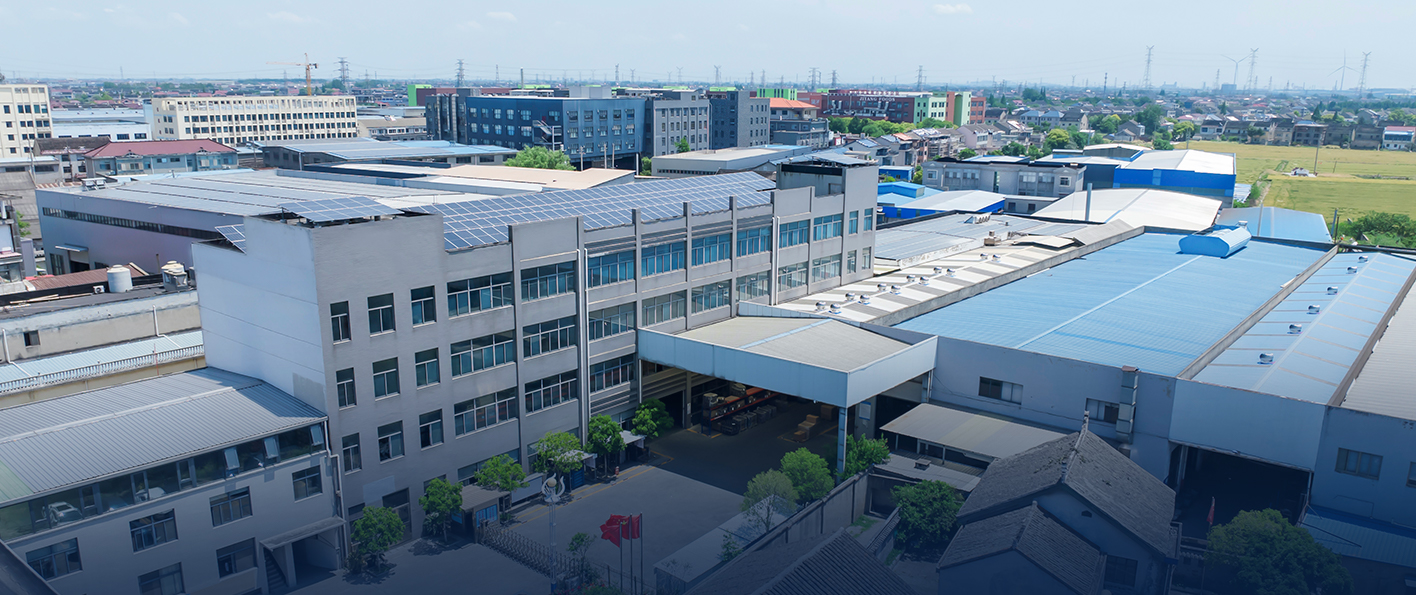
Manufacturing Solutions
We offer full-process manufacturing capabilities from steel processing to finished product delivery, supported by stamping lines, automated welding equipment, machining facilities, and inspection instruments. Backed by an engineering team with an average of over 20 years of experience, we provide technical support from development to mass production.
With 40 years of focus on motor housing manufacturing, we have served more than 50 customers and achieved an annual production capacity of over 5 million units. Guided by quality, efficiency, and fast response, we are committed to delivering high-precision and high-reliability motor housing solutions.



