


 English
 Español
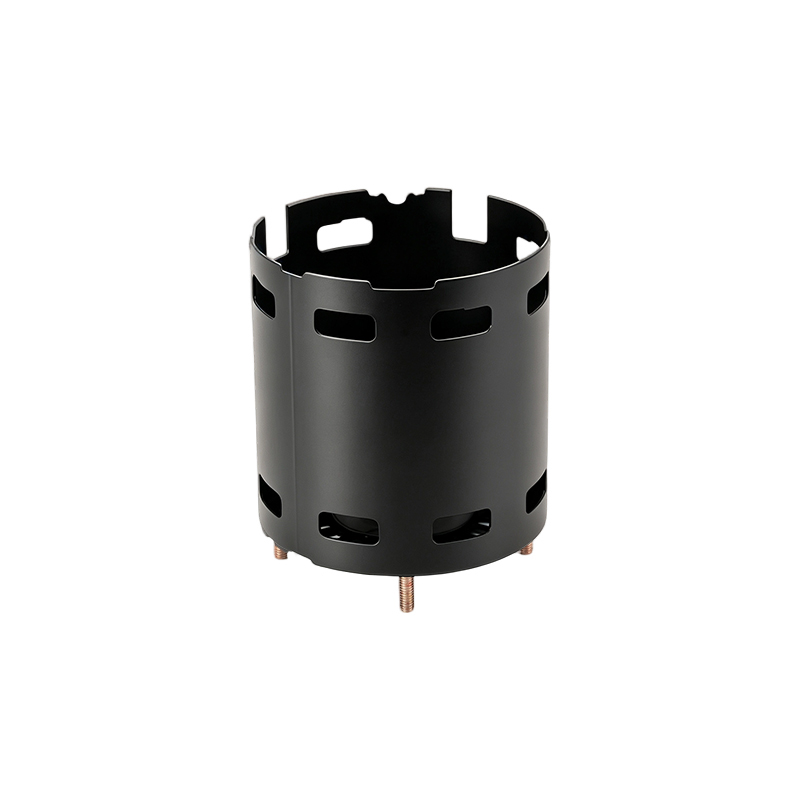
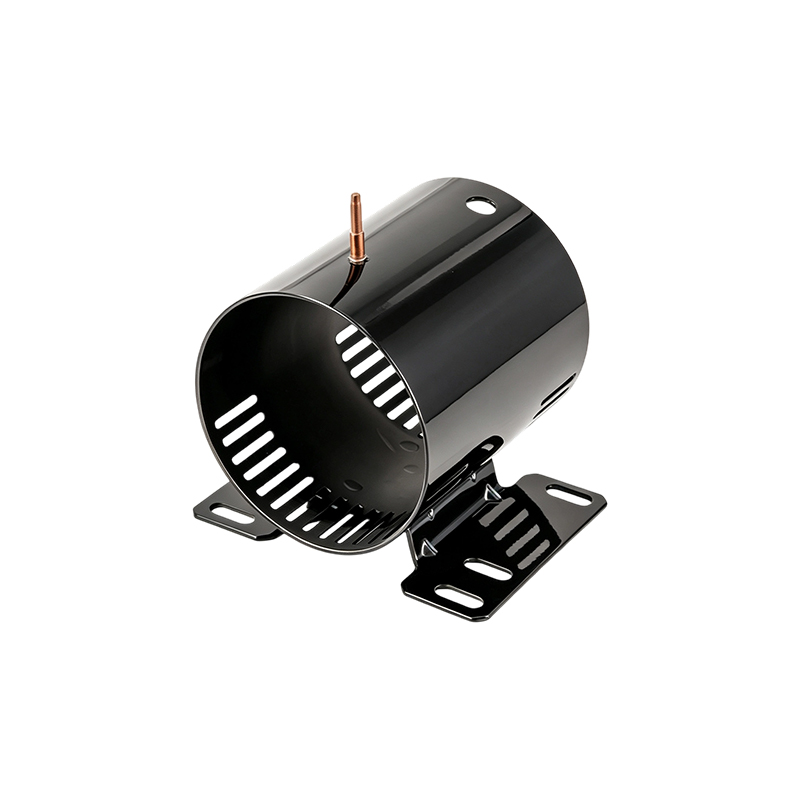
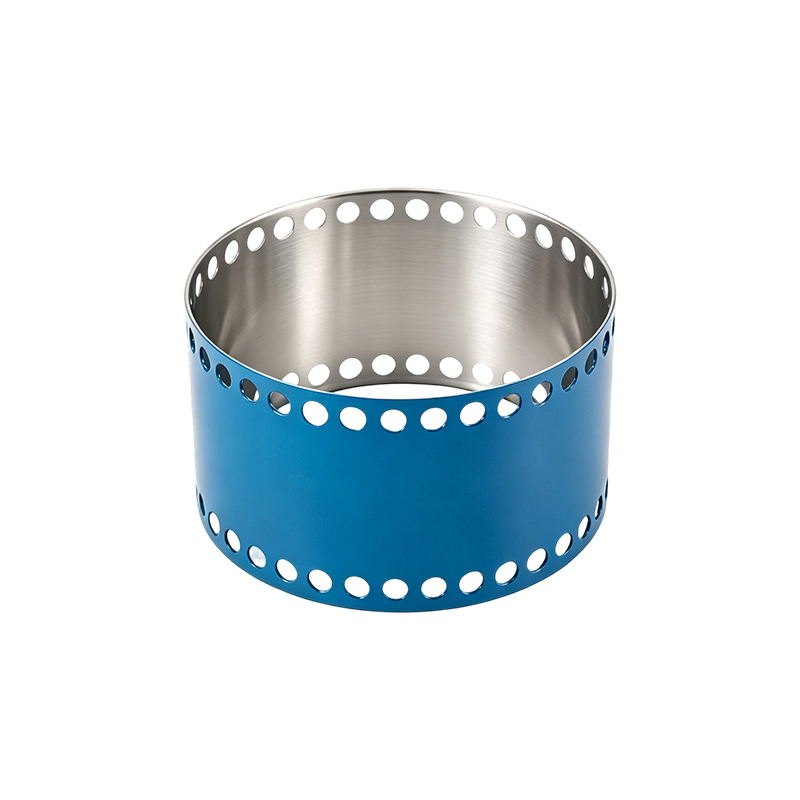
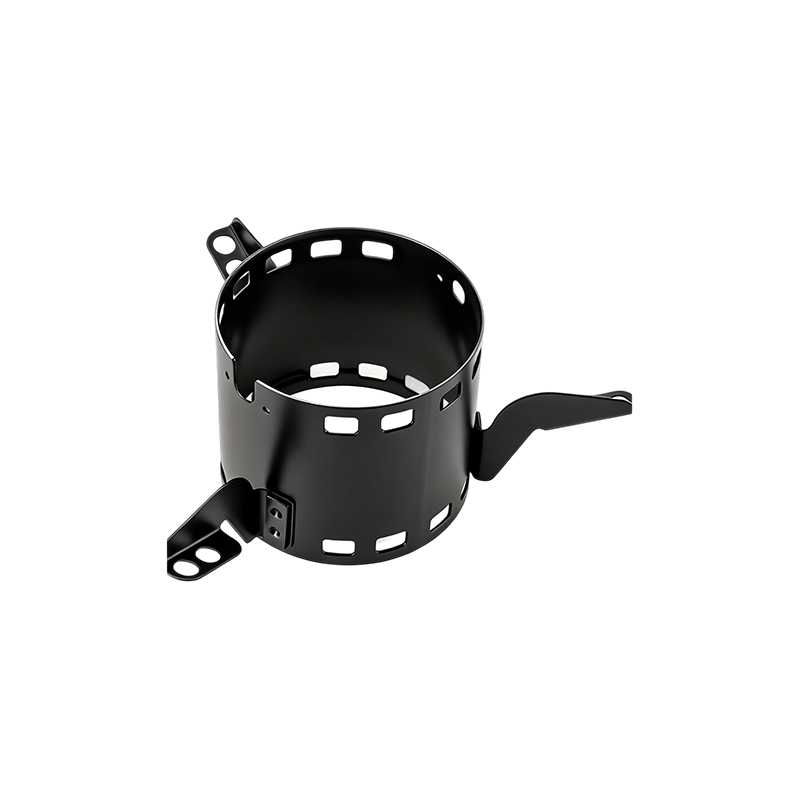
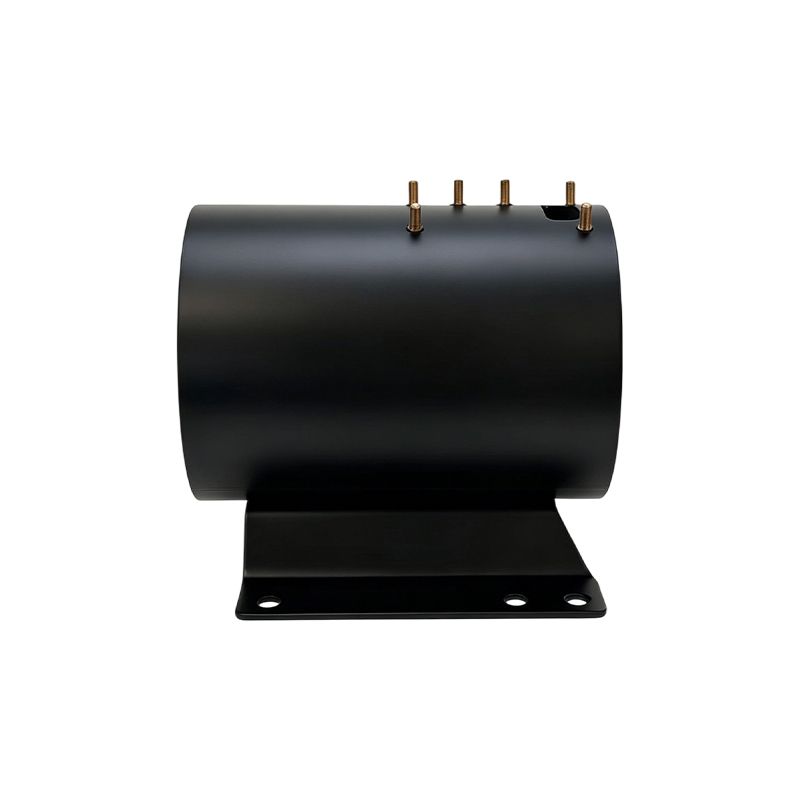
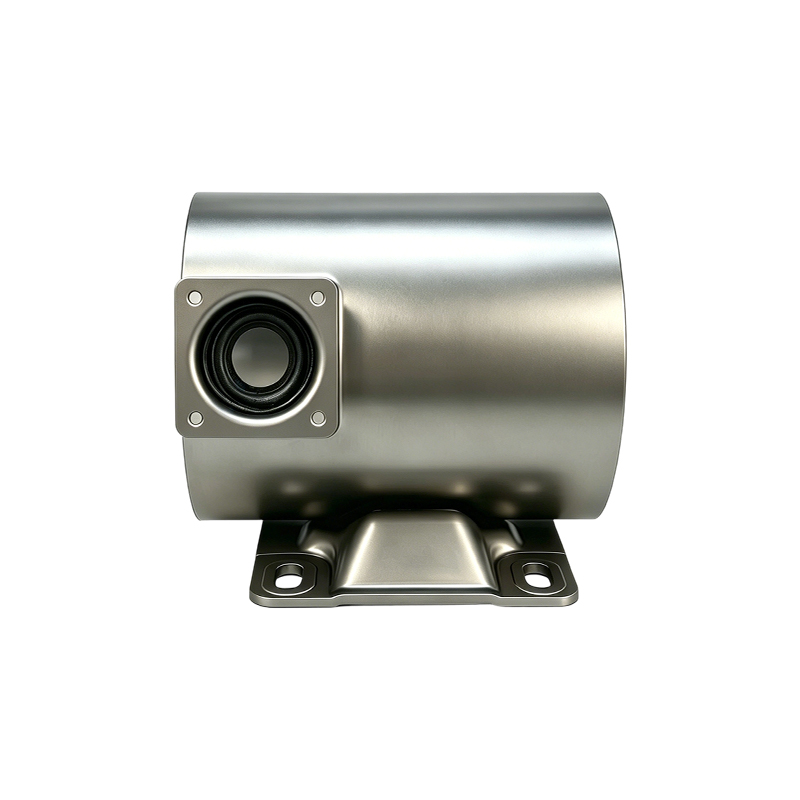
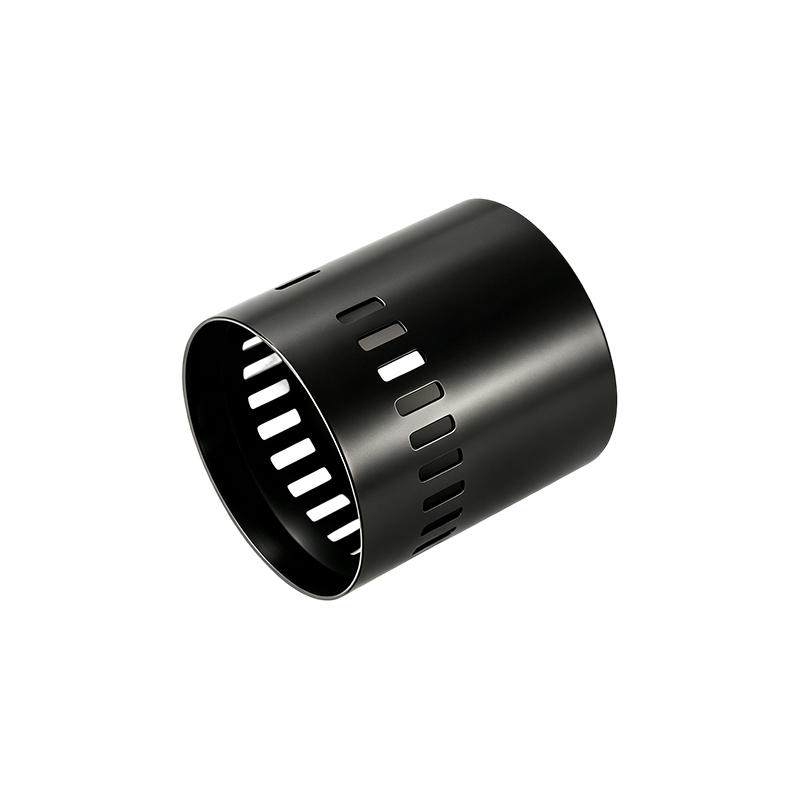
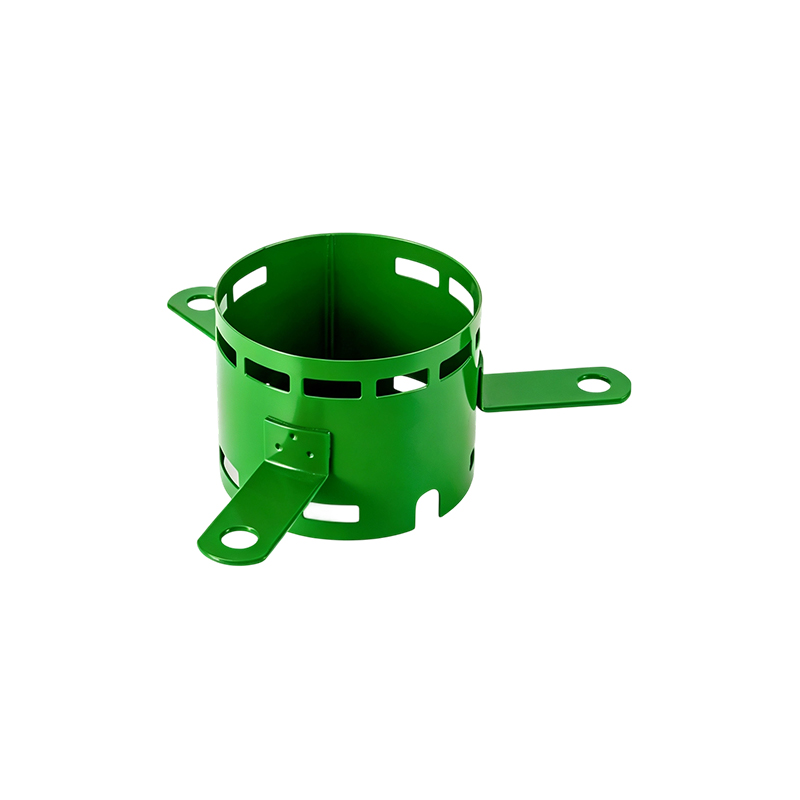
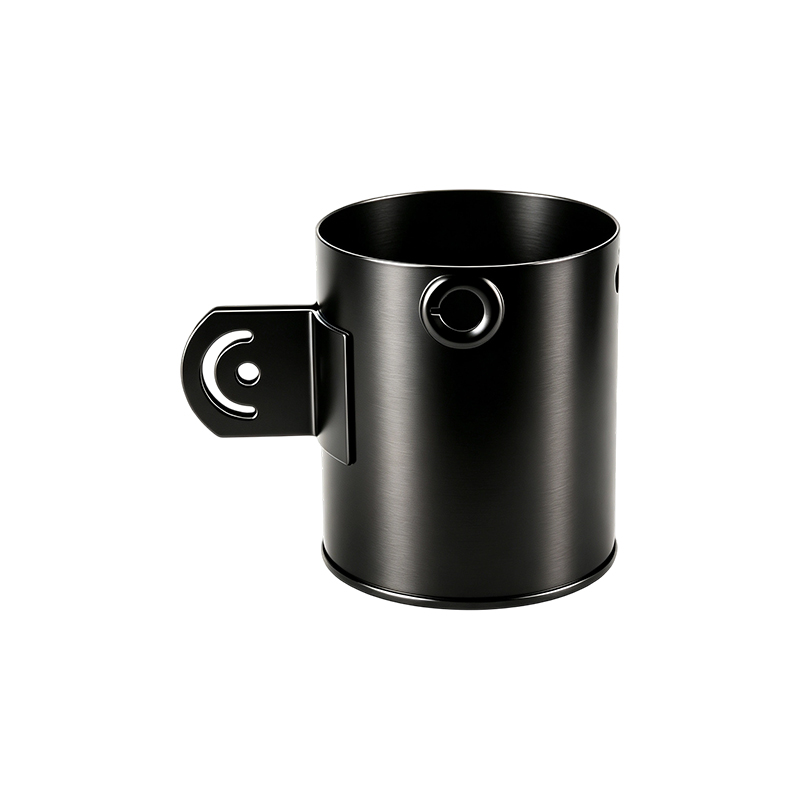
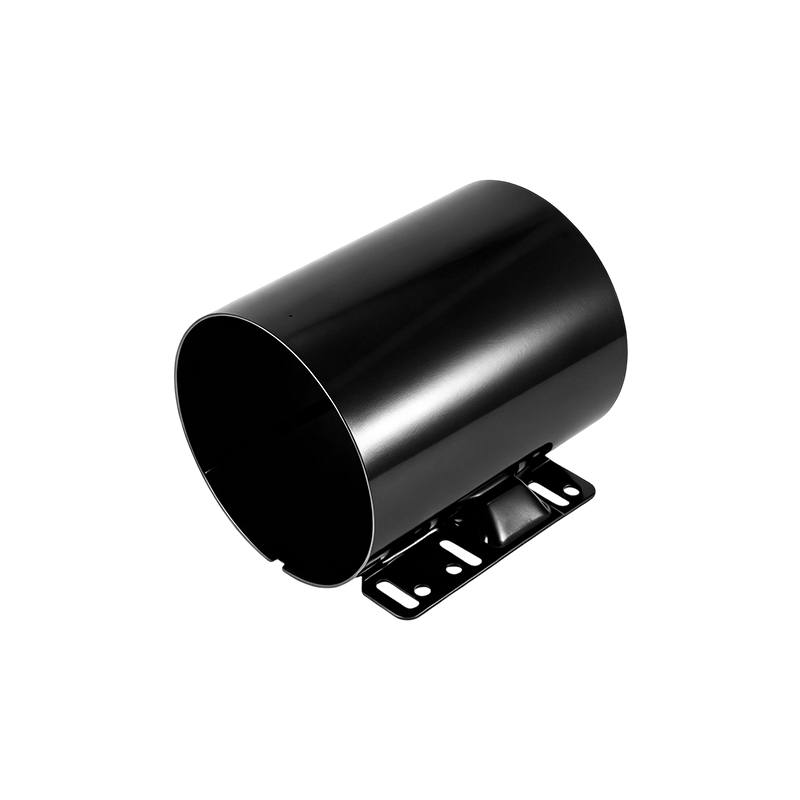
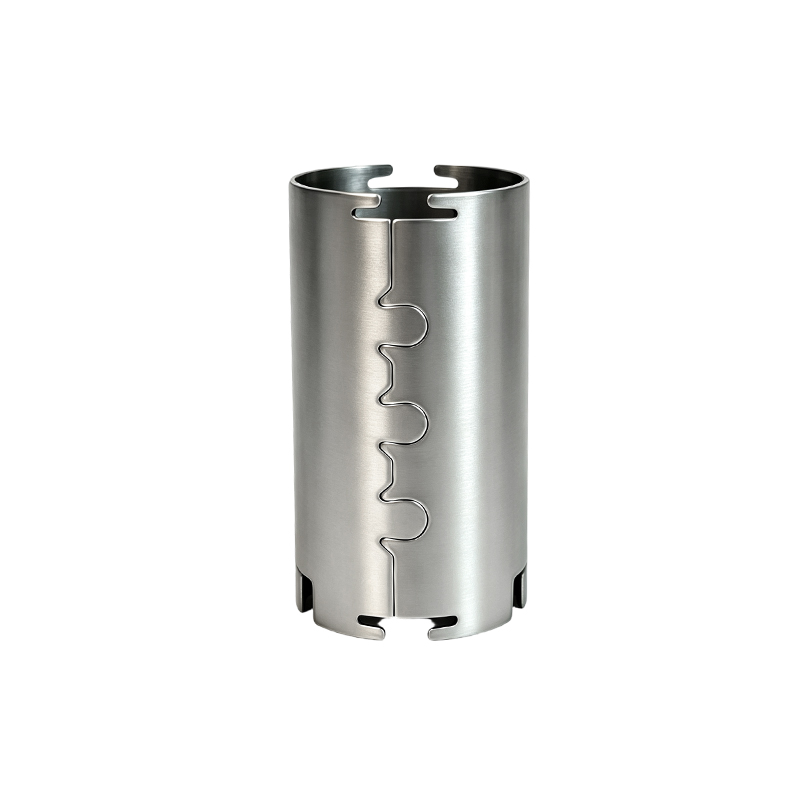
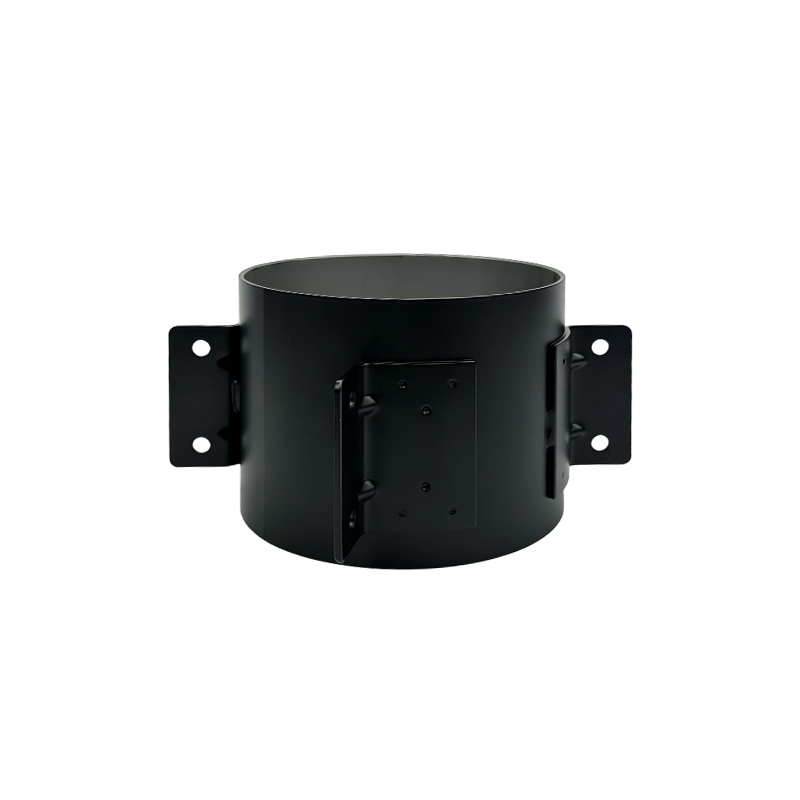
Thin-Wall Motor Shells
Manufactured by Jiangsu Yufeng Electric Co., Ltd, using reduced-gauge stamping and reinforced structural design to lower housing weight while maintaining assembly strength.
Thin-Wall Motor Shells from Jiangsu Yufeng Electric Co., Ltd are formed from reduced-gauge steel or aluminum sheet, engineered with reinforcement ribs and structural flange geometry to maintain assembly strength while lowering overall housing weight. The design supports motors where weight reduction and material efficiency are required, including new energy vehicle drive units, compact household appliance motors, and industrial equipment with defined weight limits. Wall gauge, rib placement, and flange thickness are configured according to the load and mounting requirement of the target motor frame. Production is carried out across stamping lines, automated welding equipment, machining facilities, and inspection instruments within one production system, allowing gauge and structural adjustments to be verified through sample production prior to mass output. An engineering team averaging over 20 years of experience supports thin-gauge forming process development, and an annual capacity above 5 million units accommodates both development orders and continuous production programs across a customer base of more than 50 companies.
Core Advantages
Reduced Housing Weight
Reduced-gauge sheet forming lowers overall shell weight while reinforcement ribs preserve structural performance at mounting and load points.
Material Efficiency
Thin-gauge material selection reduces raw material consumption per unit without altering the mounting interface of the housing.
Structural Reinforcement Design
Rib patterns and flange thickness are placed according to load path analysis, maintaining rigidity at reduced wall thickness.
Process Control at Thin Gauge
Stamping and welding parameters are adjusted for thin-gauge material to limit deformation and maintain dimensional consistency.
Established Engineering Support
An engineering team averaging over 20 years of experience supports gauge selection, rib layout, and sample verification before mass production.
Product Features
Thin-Wall Compared to Standard-Wall Housing
Thin-Wall Design
- Lower housing weight per unit
- Reduced material consumption
- Reinforcement ribs at load and mounting points
- Suited to weight-sensitive motor applications
Standard-Wall Design
- Higher material thickness margin
- Broader tolerance for high-load mounting conditions
- Fewer reinforcement features required
- Suited to heavy duty or high vibration applications
Application Scenarios
New Energy Vehicles
Housings for drive and auxiliary motors where weight reduction contributes to overall vehicle efficiency targets.
Household Appliances
Housings for compact motors in fans, pumps, and small drive units where reduced weight supports appliance design targets.
Industrial Drives
Housings for drive motors in equipment where weight reduction is specified alongside continuous duty operation.
Special Equipment
Housings for motors in equipment with defined weight allowance, configured per project specification.
Manufacturing Process
Material Selection
Reduced-gauge steel or aluminum sheet is selected according to the specified weight and load target.
Stamping with Deformation Control
Forming parameters are set for thin-gauge material to limit warping and maintain dimensional accuracy.
Welding Assembly
Automated welding parameters are calibrated for reduced material thickness at seam and flange joints.
Machining
Bearing seats and mounting features are machined to specified tolerance.
Surface Treatment and Inspection
Coating or plating is applied, followed by dimensional and structural inspection prior to packaging.
Customization and OEM Support
Wall gauge, rib layout, flange thickness, and surface treatment can be configured against a customer drawing or sample, with sample production available to verify structural performance at the specified thickness before mass production release.
- Drawing-based and sample-based development for thin-gauge housing designs
- Rib and flange layout adjustment for specific load conditions
- Tooling development for reduced-gauge stamping and welding
- OEM packaging and labeling arrangement available on request
Frequently Asked Questions
How is structural strength maintained at reduced wall thickness
Reinforcement ribs and flange geometry are positioned at mounting and load points according to load path analysis, maintaining structural performance at the specified reduced gauge.
Which motor types are suited to thin-wall housings
Applications where weight reduction is specified, including new energy vehicle motors, compact household appliance motors, and industrial equipment with defined weight allowance, are commonly suited to this design.
Can wall thickness be adjusted for a specific load condition
Wall gauge and reinforcement layout are configured according to the load and mounting requirement provided in the customer drawing or sample.
Is sample verification available before mass production
Sample production is available following drawing review and tooling confirmation, allowing structural and dimensional verification at the specified wall thickness before mass production release.
What surface treatment options apply to thin-wall shells
Electrophoretic coating, powder coating, zinc plating, and passivation are available, selected according to the operating environment of the application.
Ordering Considerations
- Provide a drawing or sample specifying target weight, wall gauge, and mounting configuration for accurate quotation
- Confirm load and vibration conditions to determine reinforcement rib placement
- Specify the operating environment to determine the appropriate surface treatment option
- Indicate expected order volume and delivery schedule to align tooling and production planning
- Request sample production where a new thin-gauge design requires structural verification before mass production

Manufacturing Solutions
We offer full-process manufacturing capabilities from steel processing to finished product delivery, supported by stamping lines, automated welding equipment, machining facilities, and inspection instruments. Backed by an engineering team with an average of over 20 years of experience, we provide technical support from development to mass production.
With 40 years of focus on motor housing manufacturing, we have served more than 50 customers and achieved an annual production capacity of over 5 million units. Guided by quality, efficiency, and fast response, we are committed to delivering high-precision and high-reliability motor housing solutions.



