

 English
 Español
Content
- 1 Motor Housing Industry Trends 2026: The Material Equation
- 2 Thermal Management Is Now a Quoted Specification
- 3 Faster Rotors Are Tightening the Precision Bar
- 4 How Motor Housing Industry Trends Reshape Supplier Selection
- 5 A Buyer's Checklist for the 2026-2027 Sourcing Cycle
- 6 Motor Housing Industry Trends: Frequently Asked Questions
The motor housing market is projected to grow from USD 8.5 billion in 2024 to USD 13.75 billion by 2033, a 6.2% compound annual rate that looks modest next to what is changing inside the component itself. Framed as motor housing industry trends that OEM purchasing and engineering teams act on, the story is one of material polarization, thermal specifications, precision standards, and supplier consolidation.
Jiangsu Yufeng Electric Co., Ltd. has spent 40 years manufacturing steel, stainless steel, and heavy-wall motor housings at a production scale above 500 million pieces per year. From that operating position, five developments matter more to buyers than the headline CAGR: material selection, thermal design, bore precision, full-process supplier accountability, and documented quality data.
Motor Housing Industry Trends 2026: The Material Equation
The clearest motor housing industry trend is a two-way material split. EV traction motors migrate toward aluminum and hybrid designs because rotor and shell mass directly reduces battery load, while industrial drives, compressors, pumps, and wash-down applications stay with carbon steel or move to 304 stainless steel for stiffness, cost, and corrosion resistance.
Aluminum wins on weight and thermal conductivity (around 205 W/mK) but costs 30-50% more per housing, softens under vibration loads, and usually needs anodizing. Carbon steel offers roughly twice the elastic modulus of aluminum at the lowest material cost, and its 50 W/mK conductivity is sufficient once fin geometry does the work. Stainless steel eliminates paint failure at shaft seals, mounting faces, and cable entries.
| Property | Aluminum | Carbon steel | Stainless 304 |
| Relative cost | 1.3-1.5x steel | 1.0 baseline | 1.8-2.5x steel |
| Weight index | 0.65x | 1.0 | 1.05x |
| Thermal conductivity | 205 W/mK | 50 W/mK | 16 W/mK |
| Corrosion resistance | Moderate | Coating required | Inherent |
| Typical use | Traction motors | Industrial drives, appliances | Food, marine, EV aux |
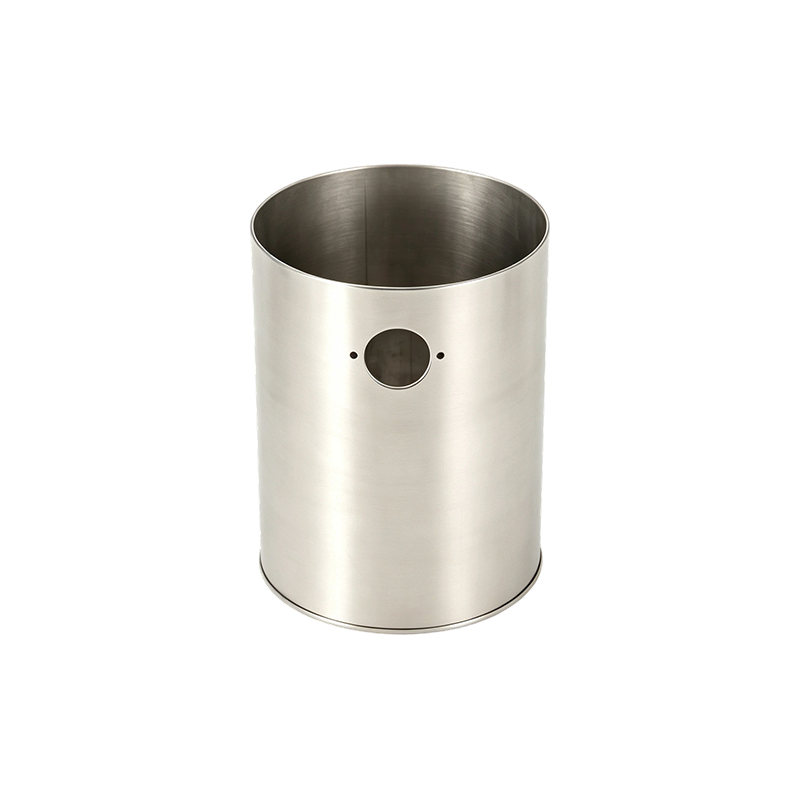
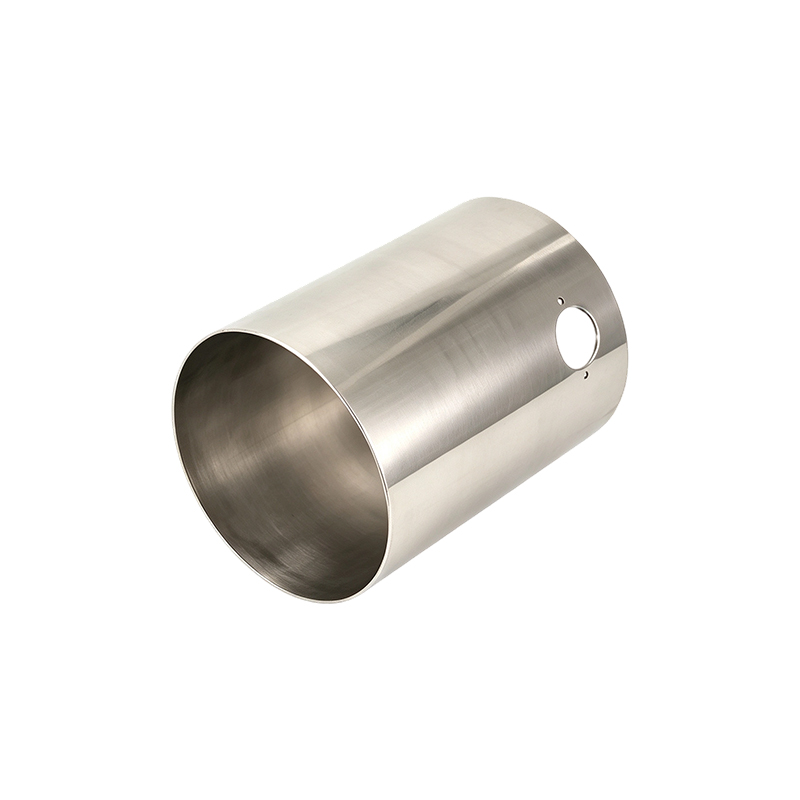 304 Stainless Steel Motor Housing with 139mm Inner DiameterThis stainless steel housing eliminates paint failure at seals and mounting faces, offering corrosion resistance for demanding environments while meeting thermal management needs with its material conductivity.View Product →
Thermal Management Is Now a Quoted Specification
Thermal management is the fastest-moving engineering requirement in motor housing design today. Higher power density forces the housing to evacuate more heat through fins, integrated cooling channels, or optimized airflow paths, so OEMs now ask for thermal expectations at the quoting stage.
Steel housings answer with geometry rather than exotic alloys: deeper fins, machined pockets, and base plates that double as heat sinks. The costliest mistake we see is a longer motor selected to solve a problem that better housing airflow would fix at lower system cost.
The EV segment reinforces the shift. Market estimates for motor housings used in electric vehicles go from USD 27.16 billion in 2025 to USD 90.49 billion by 2034, a compound rate around 14%, and thermal management appears as one of the named growth drivers in nearly every published forecast we follow.
Faster Rotors Are Tightening the Precision Bar
Higher electrical speeds, especially in auxiliary motors running above 8,000-12,000 rpm, make bore roundness and concentricity the critical quality gates. A housing ovality invisible at 1,500 rpm becomes a noise, vibration, and bearing-life problem at 10,000 rpm.
Continuous stamping with progressive dies holds motor housing inner diameters to roughly +/-0.05 mm in our current programs, provided the die set is maintained and strip thickness is gaged. Older transfer-press or hand-welded shells run looser, which forces extra machining or tolerates geometry that degrades the final drive. The complete list of die and defect checks appears in our motor housing continuous stamping guide.
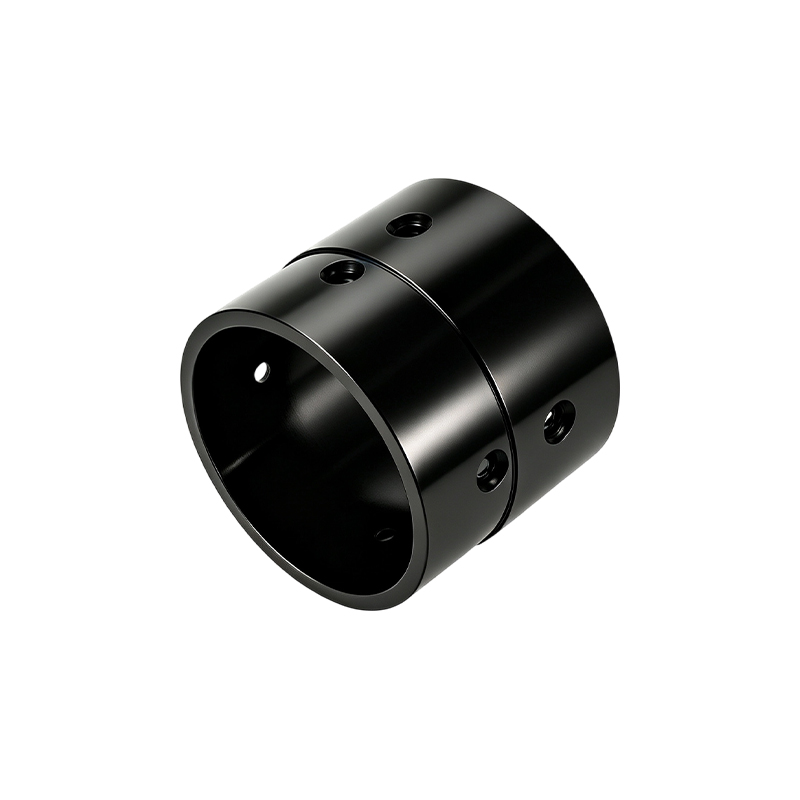
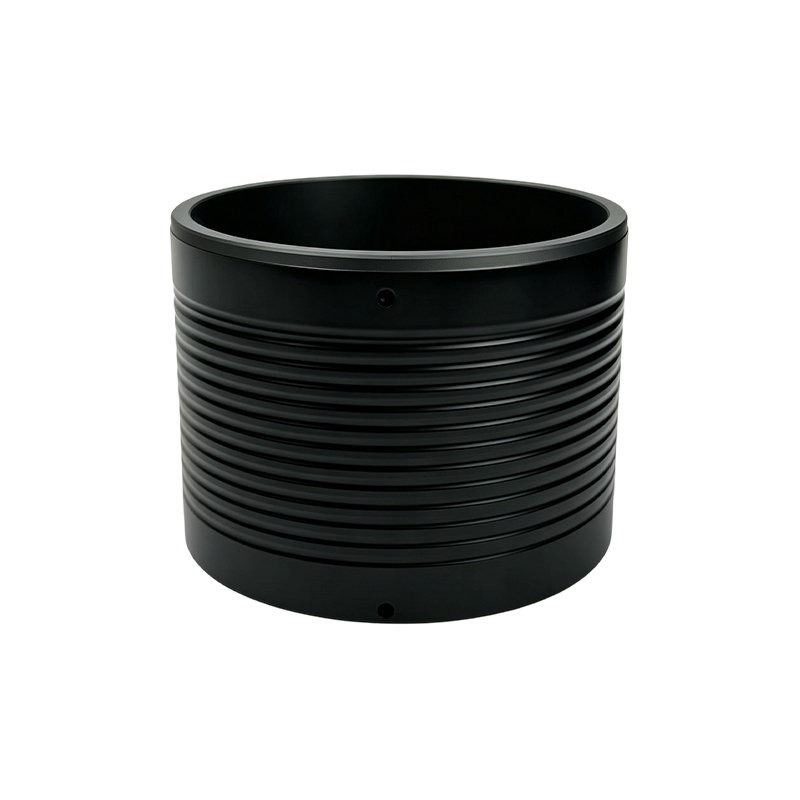 Heavy-Wall Motor Housing with 113mm Inner Diameter and Heat Dissipation ThreadsPrecision-stamped thick-wall housing maintains tight dimensional tolerances and features thread grooves that increase surface area, improving heat transfer for high-torque motor applications.View Product →
How Motor Housing Industry Trends Reshape Supplier Selection
The second structural motor housing industry trend is supply consolidation. OEMs award programs to suppliers that run stamping, welding, machining, and surface treatment in one plant, because every outsourced handoff adds dimensional drift, logistics cost, and documentation gaps.
At Jiangsu Yufeng Electric, the full-process model keeps first-pass yield above 99% on continuous production lines and gives customers one accountable interface for material certificates, SPC data, and corrective actions. In multi-vendor chains, 1-3% dimensional fallout at incoming inspection is common; full-process control cuts that roughly in half.
A Buyer's Checklist for the 2026-2027 Sourcing Cycle
These trends convert into six requirements that belong in every RFQ for stamped steel motor housings. Compare suppliers against this list, not against unit price alone.
- Material traceability: mill test certificates for every coil, with chemical composition and mechanical properties.
- Geometric data: SPC records for ID, OD, concentricity, and face run-out across production batches.
- In-house process chain: stamping plus welding, machining, and surface finishing under one roof.
- Thermal design support: a documented DFM response for fin geometry, mounting faces, and cooling path.
- Corrosion validation: salt-spray or humidity test data for painted or stainless housings in wash-down exposure.
- Capacity commitment: sustained annual volume, surge capability, and confirmed lead time inside the quotation.
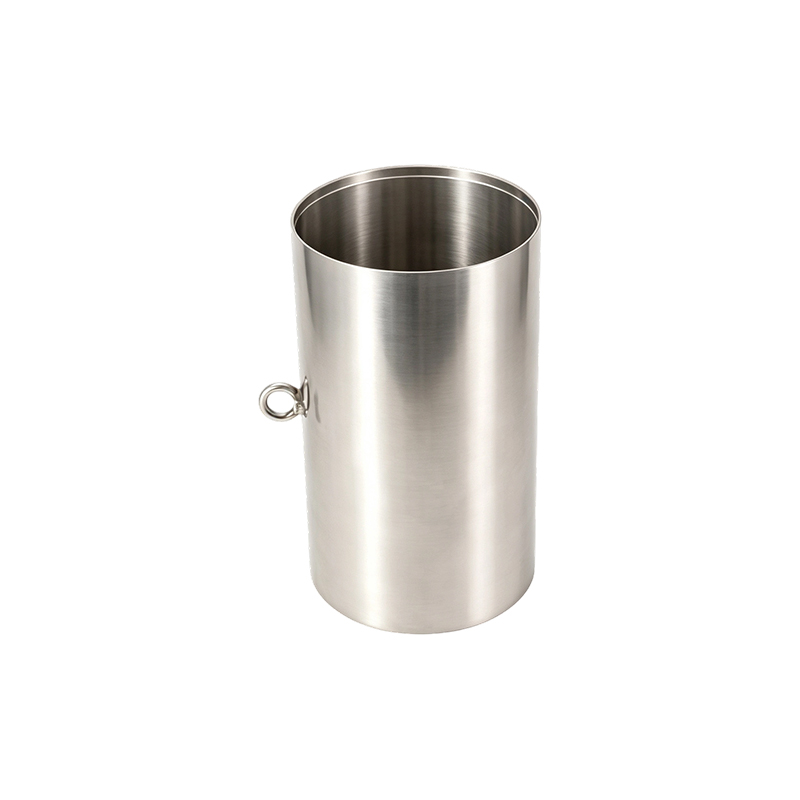
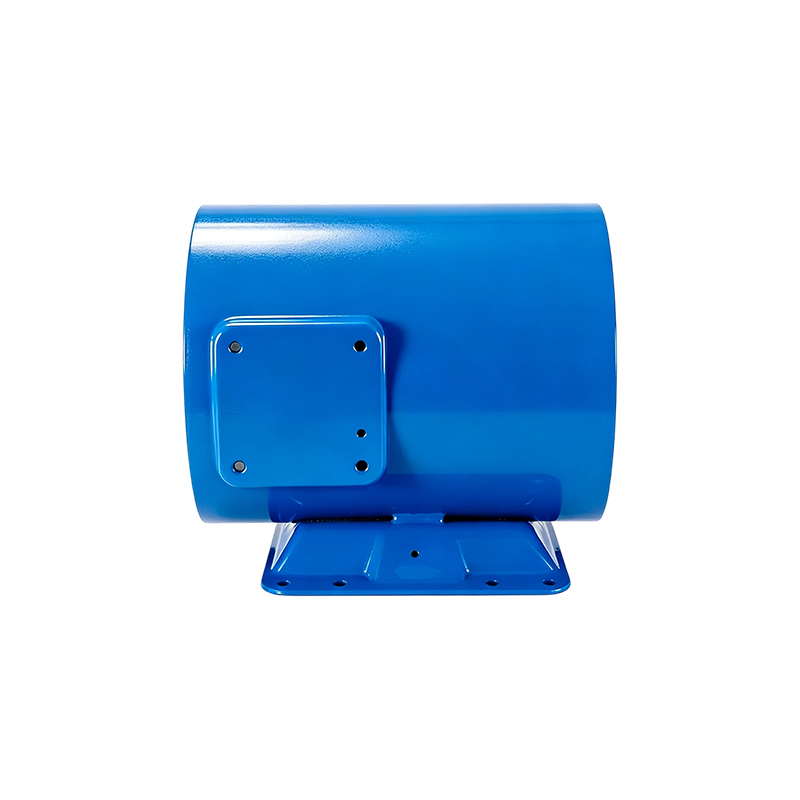 260mm Inner Diameter Heavy-Wall Motor Housing with Welded BaseDesigned for large industrial motors, this housing withstands high torque and vibration, with a welded terminal block, lifting lug, and mounting foot for easy installation and maintenance.View Product →
Motor Housing Industry Trends: Frequently Asked Questions
Is aluminum replacing steel in motor housings?
Only in specific segments. Aluminum dominates new EV traction motor programs where mass reduction offsets cost, but carbon steel remains the volume material for industrial drives, appliance motors, and compressors. Stainless steel is the fastest-growing material in wash-down, marine, and food-grade applications.
What is the biggest driver of motor housing industry trends in 2026?
The strongest measurable driver is thermal management. As power density rises, OEMs write cooling requirements into the housing specification, and suppliers whose housings evacuate heat well win programs even at a higher piece price. EV segment growth compounds this effect.
What tolerances can a steel motor housing manufacturer hold in stamping?
With progressive dies and controlled strip material, continuous stamping holds bore IDs around +/-0.05 mm. Buyers should ask for CPK values on ID, OD, and concentricity before awarding volume, because the die state at the time of measurement determines what is actually achievable.
Which motor housing material performs best in corrosive environments?
304 stainless steel, in our experience, is the correct choice for wash-down, chlorine, salt-air, and chemical vapor exposure. It costs 1.8-2.5 times carbon steel but eliminates paint failure and extends housing service life beyond the motor warranty period.
 Previous